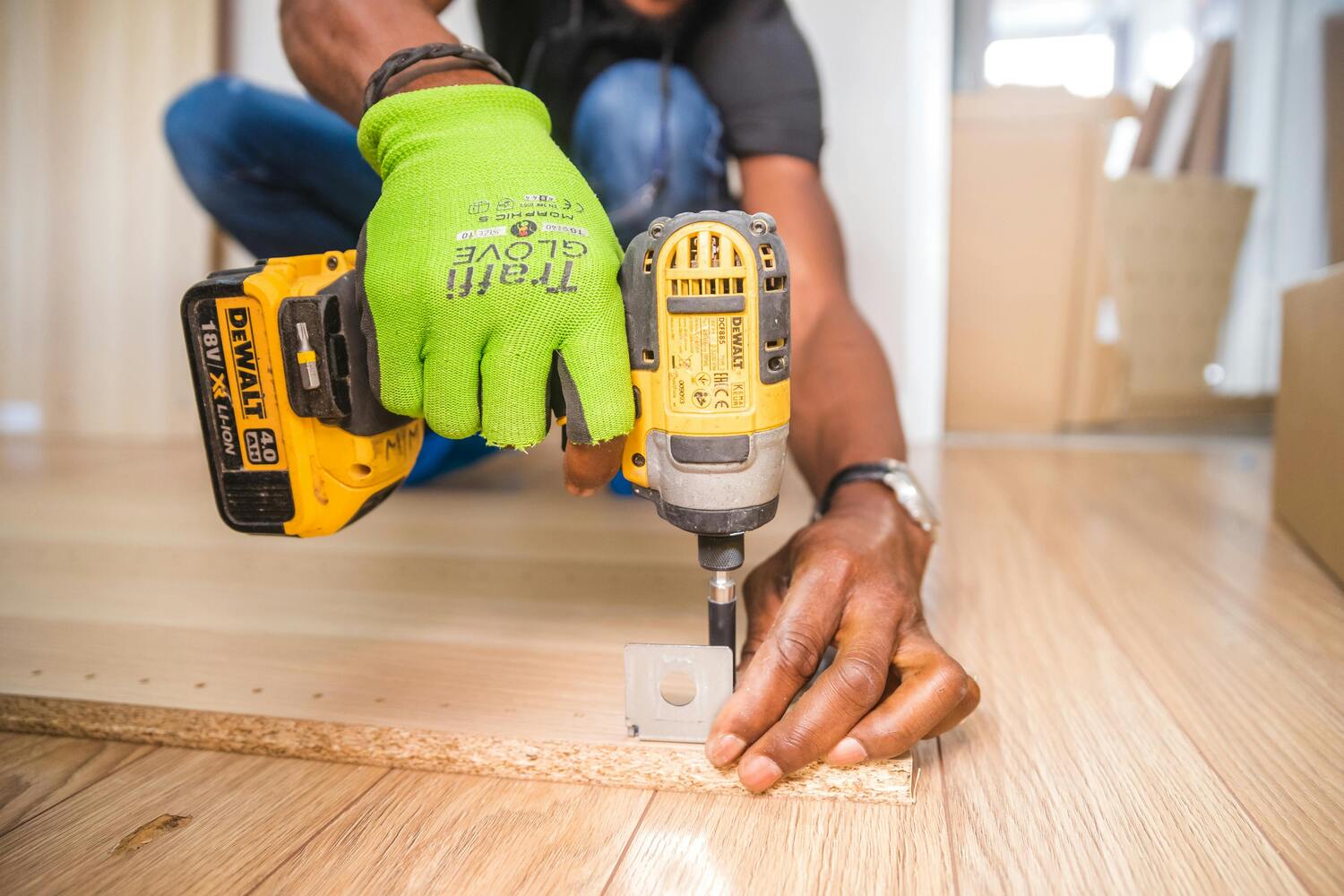
Do-it-yourself home projects have exploded in popularity thanks to YouTube tutorials, Pinterest boards, and a sense of personal satisfaction that comes with doing the work yourself. Whether it’s a custom backsplash, a built-in bookcase, or a complete bathroom makeover, the DIY route seems to promise two things: cost savings and added value.
But here’s the harsh truth: not every home project boosts your property’s worth. In fact, many do the opposite. From shoddy workmanship to overly personal design choices, some well-meaning DIYs can turn off potential buyers, trigger inspection red flags, or even require expensive fixes before your home can hit the market. If you’re not careful, your “improvements” may be quietly dragging your home’s value down.
Here’s a closer look at how your DIY efforts might be sabotaging your biggest investment.
Why Your DIY Projects Might Be Lowering Your Home’s Value
1. Lack of Permits Can Be a Deal Breaker
One of the most common mistakes homeowners make is skipping permits to save time and money. Building a deck, converting a garage, or installing electrical wiring without proper authorization might seem harmless, but it can become a nightmare during resale.
Buyers (and their lenders) want proof that work was done to code. If they discover unpermitted work during an inspection, they may walk away or demand a steep discount. Worse, you might be required to undo the work or pay fines before selling. No matter how beautiful the result, unpermitted DIY projects send a message: “We cut corners.” That’s rarely a good look in real estate.
2. Cosmetic Overhauls That Don’t Match the Rest of the House
Painted brick fireplaces, geometric accent walls, or trendy wallpaper may look great on social media, but if they don’t match the overall aesthetic of your home, they can make your space feel disjointed or even chaotic.
Buyers aren’t just looking at one room. They’re trying to envision the whole home. When one area screams DIY trend-chasing while the rest is builder-basic, it creates cognitive dissonance. Instead of feeling inspired, buyers feel confused. Design cohesion matters. When your upgrades clash with your home’s original style, it chips away at perceived value.
3. Poor Workmanship Signals Bigger Problems
There’s nothing wrong with tackling projects yourself…unless the quality is noticeably off. Crooked tile lines, uneven floors, dripping caulk, or misaligned cabinets don’t just look bad. They make buyers wonder what else might be wrong beneath the surface.
Even small imperfections suggest that the work wasn’t done professionally, which can raise concerns about structural integrity or safety. Many buyers would rather see an untouched, outdated space than a poorly executed update they’ll have to undo. In the real estate world, bad DIY is worse than no update at all.
4. Over-Customization Limits Appeal
Turning your spare bedroom into a home theater with built-in stadium seating? Impressive, but only if the next buyer wants the same thing.
Highly personalized renovations—think built-in wine cellars, themed children’s rooms, or elaborate fish tanks—often have niche appeal. They might excite a small subset of buyers but turn off the majority who want flexibility or prefer a blank canvas. What you see as unique, others may see as a hassle to undo. Over-customization can shrink your pool of buyers and drag down offers.
5. Inappropriate Material Choices
Choosing the wrong materials, either for cost savings or style preferences, can backfire. Laminate countertops instead of granite, stick-on floor tiles, or using exterior paint inside may save money now, but they can hurt your home’s perceived quality.
When buyers walk through your home, they’re evaluating finishes as much as layout. DIY shortcuts often reveal themselves through touch and texture. Cheap materials feel like, well, cheap materials. And in a competitive market, even small details can sway a buyer toward another property that feels more “move-in ready.”

6. Functional Flaws That Undermine Livability
DIY upgrades sometimes sacrifice functionality for form, or vice versa. For example, knocking down a wall to create an open concept might leave too little storage. Replacing a tub with a walk-in shower could make the home less appealing to families with young kids.
Even something like a poorly installed kitchen island that disrupts workflow can hurt value more than help. Home buyers don’t just want upgrades. They want upgrades that make sense. If your project reduces utility or livability, you might be lowering your home’s value without realizing it.
7. Inconsistent Quality Throughout the House
If your newly renovated bathroom looks like a showroom but the rest of the home hasn’t been touched in decades, buyers may see a red flag instead of a highlight. They’ll wonder why one room got attention, and what issues may be hiding elsewhere.
Consistency in quality and style helps create a sense of balance. Inconsistencies can make a house feel disjointed and incomplete, which can affect the buyer’s perceived value and the appraiser’s, too.
8. Overbuilding for the Neighborhood
Even if your DIY project turns out flawlessly, it could still hurt your home’s value if it pushes your property outside the norm for the area. Adding a luxury spa bathroom or a second-story addition in a modest neighborhood won’t necessarily increase your resale price.
Why? Because appraisers and buyers use “comparables” (comps) from nearby homes to assess value. If your upgrades can’t be supported by similar sales in the area, you may not recoup your investment, especially if the changes were done DIY instead of through a licensed contractor.
9. DIY That Looks Like a Red Flag to Inspectors
Home inspectors are trained to spot signs of amateur work, and when they do, they often dig deeper. That can lead to a long list of issues on the inspection report—everything from faulty wiring to plumbing mistakes—and a growing sense of buyer unease.
Even minor concerns can become bargaining chips during closing, or worse, deal-breakers. If your home becomes known as “the one with the sketchy basement reno,” don’t be surprised if you get lowball offers or none at all.
DIY Can Be Rewarding, But Know Where to Draw the Line
There’s nothing wrong with taking pride in your home. Painting walls, replacing fixtures, or even laying tile can be empowering and economical. But not every project should be a weekend experiment. Some jobs require expertise, permits, and long-term thinking, especially if resale value is a priority.
Before you dive into your next DIY, ask yourself: Will this make my home more functional? Will it appeal to future buyers? Is the quality up to standard? And perhaps most importantly, should I leave this one to a pro? Because while DIY can save money today, the wrong project can quietly cost you thousands tomorrow.
Have you ever regretted a DIY project or walked away from a house because of one? Share your experiences in the comments!
Read More:

Riley Jones is an Arizona native with over nine years of writing experience. From personal finance to travel to digital marketing to pop culture. When she’s not writing, she’s spending her time outside, reading, or cuddling with her two corgis.
Read More


Every homeowner who puts the time and money into working on a home improvement project…

Sometimes it makes sense to DIY projects for your home. It can be a terrific…

President Gerald Ford labeled inflation “public enemy number one” when it climbed to 20 percent…
Having a car has become a necessity for the majority of people over the last…


It's one of the worst feelings you can ever have. That moment when you see…

It's that time of year when people are looking to improve their finances as…
Comments