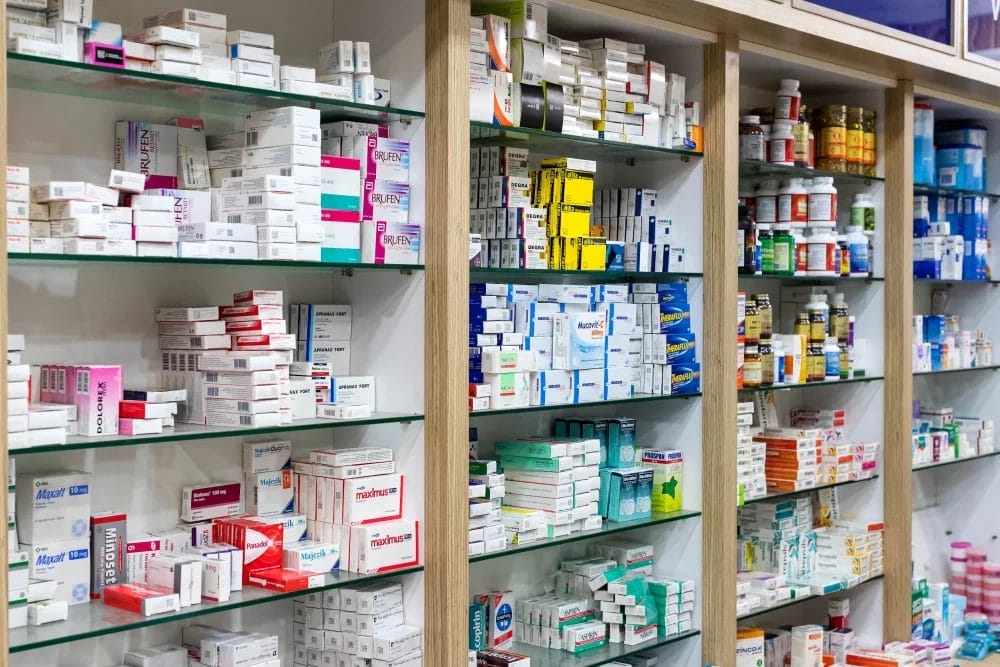
In the realm of healthcare, over-the-counter medications and supplements are often regarded as safe and effective remedies for common ailments. However, throughout history, several instances have emerged where these seemingly benign products have made headlines for all the wrong reasons. From safety concerns to deceptive marketing practices, these incidents have raised questions about the regulation and integrity of the pharmaceutical and dietary supplement industries.
1. Tylenol Tampering Tragedy

In 1982, the nation was rocked by the Tylenol tampering tragedy, where seven individuals lost their lives after consuming cyanide-laced Tylenol capsules. This unprecedented incident led to widespread panic, resulting in Johnson & Johnson recalling millions of Tylenol bottles and initiating extensive safety measures to prevent future tampering incidents.
2. OxyElite Pro and Liver Injuries

OxyElite Pro, a popular dietary supplement touted for weight loss, faced intense scrutiny when it was linked to severe liver injuries and fatalities. The inclusion of DMAA (dimethylamylamine), a stimulant banned by the FDA, raised serious concerns about the safety and regulation of dietary supplements.
3. Herbalife Pyramid Scheme Allegations

Herbalife, a prominent multi-level marketing company specializing in nutritional supplements, found itself embroiled in controversy over allegations of operating a pyramid scheme and deceptive marketing practices. This legal battle brought to light broader issues regarding the integrity and transparency of the multi-level marketing industry.
4. Hydroxycut Recall

Hydroxycut, a widely marketed weight loss supplement, faced a significant setback following reports of liver damage and other adverse effects. The FDA issued warnings, prompting the manufacturer to recall Hydroxycut products and raise awareness about the potential risks associated with unregulated dietary supplements.
5. Zicam Anosmia Reports

Zicam, a popular homeopathic remedy for colds, garnered negative attention after reports emerged linking its use to anosmia, a loss of smell. Despite its perceived safety, concerns over the product’s active ingredients raised questions about the safety and efficacy of homeopathic remedies.
6. Ephedra Ban

The FDA banned ephedra, a stimulant commonly found in weight loss and performance-enhancing supplements, due to mounting evidence of severe adverse effects, including heart attacks and strokes. This regulatory action underscored the importance of stringent oversight in the dietary supplement industry.
7. Fen-Phen Recall

Fen-Phen, a combination medication used for weight loss, was recalled after being associated with serious heart valve damage and pulmonary hypertension. The recall highlighted the potential dangers of prescription weight loss medications and spurred greater scrutiny of their safety profiles.
8. HCG Drops Controversy

HCG (human chorionic gonadotropin) drops gained popularity as a weight loss aid, but controversy ensued when the FDA deemed them ineffective and potentially unsafe for weight loss purposes. Despite being marketed as over-the-counter supplements, their efficacy and safety were called into question, leading to increased scrutiny and consumer awareness.
9. Melatonin Misuse

Melatonin supplements, often used to aid sleep, have faced scrutiny due to misuse and potential adverse effects. Despite being available over the counter, concerns have arisen regarding their appropriate use, dosage, and long-term safety. Instances of misuse, including dependency and disruption of natural sleep cycles, have prompted calls for clearer guidelines and education on melatonin supplementation.
10. Kratom Contamination

Kratom, an herbal supplement used for pain relief and mood enhancement, was found to be contaminated with salmonella, prompting widespread recalls and public health warnings. This incident shed light on the risks associated with unregulated herbal supplements and the importance of quality control measures.
11. DMAA Ban

DMAA, a stimulant found in certain dietary supplements, was banned by the FDA following reports of adverse events, including heart attacks and seizures. The ban highlighted the need for greater scrutiny of ingredients in over-the-counter supplements and stricter regulation of their safety profiles.
12. Sudafed and the Methamphetamine Epidemic

Sudafed, a commonly used decongestant, gained notoriety due to its role in the methamphetamine epidemic. The accessibility of Sudafed’s key ingredient, pseudoephedrine, led to widespread abuse and illicit meth production, prompting legislative measures to restrict its sale and distribution.
Stark Reminders

These instances serve as stark reminders of the potential risks associated with over-the-counter medications and supplements. They underscore the importance of stringent regulation, transparent marketing practices, and consumer awareness to ensure the safety and efficacy of these products.
Tamila McDonald is a U.S. Army veteran with 20 years of service, including five years as a military financial advisor. After retiring from the Army, she spent eight years as an AFCPE-certified personal financial advisor for wounded warriors and their families. Now she writes about personal finance and benefits programs for numerous financial websites.
Read More

The pandemic has shown us all that life can change in the blink of an…
For many people, timeshare resort units are a huge waste of money. Here are 10…

In our world of electronic gadgetry, the old-fashioned jigsaw puzzle gets short shrift. It's not…

We are almost hardwired to pursue ever increasing pay levels. Each job should, ideally, give…

In the ever-evolving landscape of the food industry, entrepreneurs are constantly seeking innovative ways to…

Gas prices are ridiculously high right now. And the fact is that they climb high…


Comments