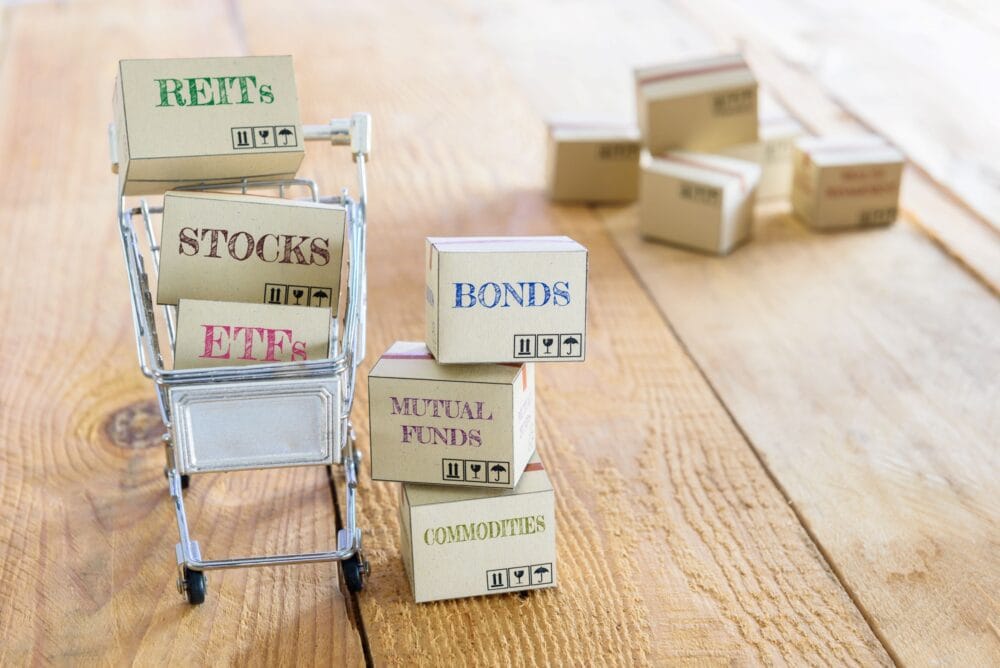
Investing in portfolios is always deemed challenging by the public and beginner investors. If you’re looking to invest but are yet to get the hang of it, you can still start your investment journey as you learn its working. You can invest in lazy portfolios that don’t require much comprehension to start using. Are you wondering how to build one? Worry not as this article will guide you appropriately.
Define Your Goals
Your investment goals and the type of returns you expect to have should guide how you go about your lazy portfolio. You need to determine the length of your investment. A lazy portfolio works best if you’re looking for long-term investment rather than short-term; approximately ten years or more is ideal.
What amount of returns do you want to get by the end of the investment period? Knowing the answer to this question will help you decide the portfolio that’ll help you realize these returns. It’ll also help you determine the amount of money you need to set aside each month to achieve your set goal.
With the many investment portfolios available, you need to decide if you’re looking to earn an income from them or you’d rather wait for the maturity date. Portfolios such as shares can give you yearly income through dividends.
Identify What To Invest In
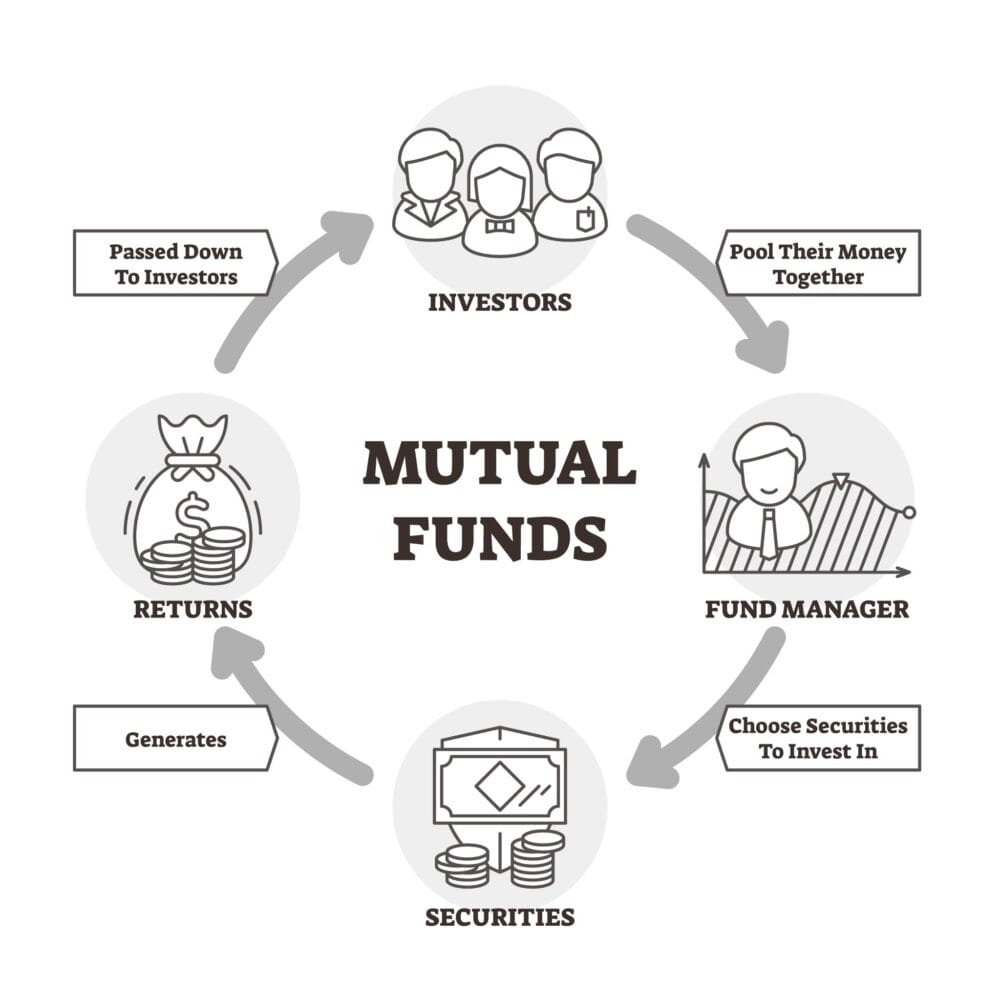
As stated earlier, there are many options to choose from for your lazy portfolio. The first step is knowing the options available before deciding what to invest in. Various platforms such as AlternaInvest and others will give you insight into the investment options available. Some of these options are discussed below; the list is endless, but they’re all mainly encompassed under index funds, mutual funds, and exchange-traded funds (ETFs).
One, you can create a lazy portfolio through fixed income assets. Fixed income is where you’re assured of returns, no matter what; there are barely any risks involved. The most common fixed income assets are bonds. They can be treasury, municipal, corporate bonds, and others. Here, you’ll be lending money to governments or corporations to run their operations. With these, you’ll get your principal back, inclusive of interest rates on the maturity date.
Equities are another lazy portfolio to consider. Here, the risks are moderate and not as competitive as those in everyday trading. With equities, you’ll invest in small companies deemed of no value compared to their competitors in the industry.
A three-fund portfolio is also an option. With a three-fund portfolio, you divide investments under a bond index fund, a stock index fund, and an international market. All these can be from the same company or diversify and invest each in a different company.
A target fund portfolio will adjust your allocations on your behalf as your investment nears maturity.
When deciding on the portfolio to invest in, you need to factor in your goals, associated risks, performance levels, and expenses of the investment tool. Also, refrain from investing all your funds into one portfolio. Allocate small percentages to several to diversify your risks and prevent total loss should there be one.
Steer Away From Load Funds
In portfolio management, some systems will require a sales fee, which is the amount to be paid to your broker, and other parties paid under commission. These payments are commonly known as load funds. The reason why you need to steer away from loads is that they’ll cut into your profits, reducing your returns.
If your preferred lazy portfolio requires a sales fee, make sure you select a company charging the lowest of these fees. With these, the sales fee will consume less of your returns.
Automate Your Investments
A lazy portfolio allows you to spend the least time, including none at all, studying the market to know when to buy or sell. To make your investment journey easier, automation is the way to go. Here, you can schedule the amount of money your portfolio should buy stock on your behalf, including when.
For instance, you can set a monthly investment of USD$100 on the fifth. Therefore, every fifth of each month, your system will buy stock worth USD$100 to add to your portfolio; this is despite the market prices. You don’t have to keep checking every few days to invest in this system. This wastes a lot of time, especially if you have a busy schedule.
Rebalance Your Portfolio
You need to do a little bookkeeping at least once or twice a year with a lazy portfolio. In the course of the investments over the months, you’ll have undergone some gains and losses. This means that your initial investment will have reduced at the end of the year.
Rebalancing aims to restore you to your original investment amount; it’s like balancing a balance sheet. You might need to buy or sell your shares to achieve this. Alternatively, you can decide to increase your investment amount. The bottom line is that at no given time should you close your financial year with a deficit in your current investment compared to your initial one.
Conclusion
Building a lazy portfolio isn’t complex and doesn’t require much from you. You only need to invest time and energy when deciding what portfolio to invest in, but after that, you can now rest and let your money work for you. As you undertake this journey, implement the tips this article gives, and you’ll come up with an ideal lazy portfolio for you and your future dreams.
Author’s Bio:

Andy Saavi is a business ops manager by day, avid investment analyst and a wannabe writer over at AlternaInvest.com
Read More


Diversification is the golden rule of investing, but many investors only think they’re diversified. In…

It takes about six months to build the average house. The average builder will spend…

You can’t get rich without investing unless you inherit money from a wealthy relative. If…

Portfolio rebalancing is one of the most important disciplines in investing. It helps keep risk…

As we enter 2023, many investors are looking for ways to diversify their portfolios and…

Building credit is an important step to creating financial health. Once your credit is established…
Comments