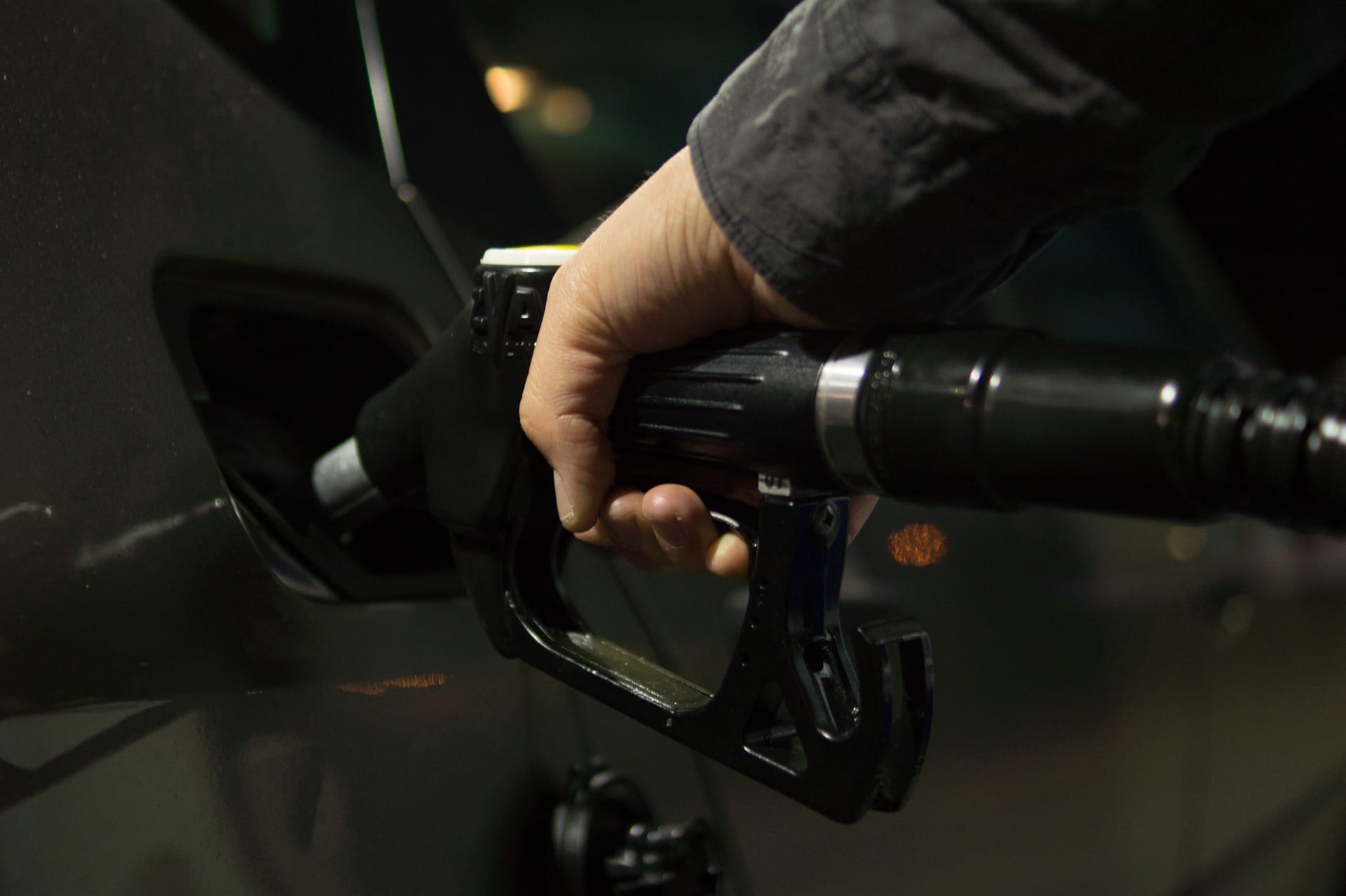
As of mid-March, the average gas price in the United States crossed the $2.50 mark. In some cities, prices in excess of $3.30 have become increasingly common, putting a strain on household budgets. Even if the price of gas is below where most of the country was at the same time last year, the swift rise may be concerning, especially if you don’t know why it is happening. Here are some insights into why gas prices are starting to increase again.
Refinery Maintenance
Many refineries begin performing maintenance in February, and the activities can continue through May. This decreases their production capabilities. As a result, the supply constricts, increasing the price of gasoline. Essentially, this process creates a pattern when it comes to the price of gas. The cost for a gallon of fuel typically increases starting late winter and through spring thanks to the maintenance routine. However, maintenance at the refineries is critical. Otherwise, equipment could break down entirely, and that would be a much worse situation for them and for customers at the pump.
Fluctuations in Wholesale Oil Prices
One of the biggest influences on gas prices is the cost of wholesale oil. When wholesale oil, also known as crude oil, becomes more expensive, refineries spend more to acquire oil. These price increases are then passed down the line, impacting what gas stations pay for fuel and what customers have to pay.
In some cases, wholesale oil prices go up because the producers simply choose to make it less accessible, such as by restricting the output volume. However, a variety of other situations can also lead to increases, including civil turmoil and natural disasters. For instance, the political situation in Venezuela has reduced production in the country, impacting the market at large.
Usually, the ratio of the increase is close to 1:1. Gas prices rise in conjunction with wholesale oil prices, so customers aren’t necessarily shouldering a higher percentage of the burden then they did before. However, that doesn’t mean the increased cost isn’t difficult to bear, particularly if you have a tight budget.
Other Factors That Impact Gas Prices
Other factors influence how much you pay at the pump. For example, changes to international trade agreements can affect the price. Similarly, output and production decisions at major oil refineries play a role, as well as general supply and demand.
During the spring and summer, more people tend to hit the road. This increases demand and can strain the supply slightly. When this occurs, rising prices aim to balance off the supply and demand ratio, as a higher cost may deter some from driving as much, bringing demand back in line with supply.
State and local tax changes also impact the price of fuel. If your state or municipality increases the gas tax rate, prices go up to compensate, regardless of the available supply. Local refinery issues, such as break downs or catastrophic events that impact production (such as a fire) also impact the price of gas. However, those tend to be relatively short-term issues and, one the facility is fully operational again, gas prices decrease.
At times, transportation problems can make gas more expensive. For instance, severe weather may delay shipment of wholesale oil to refineries or fuel to gas stations, resulting in short-term price fluctuations.
How to Combat Rising Fuel Prices
When gas prices rise, it is wise to spend some time finding the cheapest station in your local area. Shopping around can pay off. Just make sure to check prices before each fill up as the station that was the cheapest yesterday might not be the most affordable option today.
Using grocery rewards points to lower your price at the pump can also be a smart financial move, as well as signing up for a gas rewards credit card, suggesting you don’t carry a balance and can qualify.
Making fewer trips is also a great way to use as little fuel as possible, so consider grouping your errands into a single day and plot an efficient path between locations before you hit the road. Avoiding speed, and make sure you maintain your vehicle properly. Limit your city driving (or time spent idling) to use less fuel when you drive.
Another great way to save money on gasoline is by purchasing it at warehouse stores such as Costco, Sams Club or BJ’s Warehouse.
Ultimately, gas prices will likely continue to rise into the early summer and possibly beyond. Much of this is out of consumer control, so being smart about your spending and shopping around before you fill up is essential if you need to keep your budget in order.
Do you worry when gas prices rise? Share your thoughts in the comments below.
Give the gift of savings! Learn more
Read More:
- How to Get Free Gas (Legally)
- What Is the Best Type of Gas for My Car?
- Costco Gas Station Hours of Operation
If you enjoy reading our blog posts and would like to try your hand at blogging, we have good news for you; you can do exactly that on Saving Advice. Just click here to get started.

Tamila McDonald is a U.S. Army veteran with 20 years of service, including five years as a military financial advisor. After retiring from the Army, she spent eight years as an AFCPE-certified personal financial advisor for wounded warriors and their families. Now she writes about personal finance and benefits programs for numerous financial websites.
Read More


Gas prices, consumer spending on home remodeling, and travel are on the rise while GameStop…

One old dirty trick is still with us. However, other financial matters are changing quickly.…

You may read or hear the term “inflation fears” being used with increasing frequency. In…

Most Workers Do Not Want the Old Office Routine With vaccinations increasing and the economy…

Gas prices are ridiculously high right now. And the fact is that they climb high…

Why Did Stock Explode When Jobs Bombed? April’s jobs report was lower than expected, but…
Comments