No one (at least not anyone sane) wishes for awful things to happen in life. Death, illness, fire, floods and disasters are things no one likes to think about. We dread the day when we get that phone call telling us someone we love has died, or that our house is on fire. As bad as these moments are, however, they do have at least one useful purpose and that is to blast us out of our ruts and our complacency and force us to take a good long look at our lives and where we’re headed, financially and otherwise. (Granted, it often takes quite a while to get to the point where you can recognize this. You certainly don’t say, on the day of the funeral, “Oh, I’m so happy that my relative died unexpectedly at a young age so I can now take stock of my own life.” It’s a process.)
My latest awful moment came when a relative died unexpectedly at the young age of forty-two. I’m not that much younger than him. Once the grieving passed, I started to think about how I’m not really as young as I think I am and how I need to get moving on certain things in my own life. My relative left a lot unfinished and a lot of loose ends for his heirs to deal with and I don’t want that in my case. I want my heirs to have an easy time of tying up my estate and I don’t want to die not having done certain things.
My neighbor had a similar awful moment a few years ago when her house burned down. She lost everything. After the initial shock, however, the loss enabled her to see that she’d had too much stuff in her life and too much house. They rebuilt a much smaller home and now are more conscious about how much stuff they have. Knowing it can all be gone in an instant makes them much more conscious about what they really need and want.
While it’s hard to think about these awful moments, here are some thoughts on how you can turn them to your advantage:
If the awful has already happened
1. If you’ve lost someone you love, think about what they might have done differently with their life and then avoid the same mistakes. Did they live very day to the fullest, or did they wait for “someday” that never came? Did they fail to take care of themselves properly? Did they die with a lot of regrets? The deceased can teach us how to avoid mistakes, but we have to be open to the lesson.
2. If the deceased left a mess for the heirs to clean up, clean up your own mess. I’ve had to clean up more messy estates than I care to think about. People die with no will, or an incomplete/outdated will. They have no life insurance, leaving the heirs struggling financially. They leave no indication of what accounts they have, or where they are. There’s no idea what bills need to be paid. There’s jewelry hidden in the walls of a house about to be sold. There’s no instruction about organ donation, or life support, or burial wishes. If you’ve had to do this kind of work, look at your own estate plans and see where you can improve.
3. If disaster has struck, what can you salvage? If you’ve had a fire or a flood and inadequate insurance it’s too late for that now, but what lesson can you learn for next time? Maybe, like my neighbors, you learn that you don’t need as much stuff. Maybe you learn that you have really great neighbors who help you salvage what you can. Maybe you learn that you’d rather not own a home at all and instead you want to rent or travel more. At the very least you’ll likely get much more educated about insurance and make certain you’re covered going forward.
If the awful hasn’t happened yet
1. Play “What if.” Imagine if you (or your partner) were to die today. What would your spouse/heirs have to deal with, financially and otherwise? Is there some way you can make that easier on them? Can you get a will, or set up a trust for your kids? Does your spouse know how to access all of the accounts? Are your last wishes clear? Figure out what needs to be done and then do it.
2. Think about protection. Fires, floods, and other disasters can happen. Do you have plans in place to deal with them? Do you have the proper insurance and in the proper amounts? Do you have evacuation plans or plans for how you would survive in an emergency? Have you taken proper precautions to prevent damage, if you can? Think about what might happen and then make plans to deal with it and protect yourself as best you can before the awful happens.
3. What is left unfinished? Ask yourself what is it that you don’t want to leave unfinished. Maybe it’s a long term project like a novel, or maybe it’s saying, “I love you,” to a forgotten relative. Maybe you need to forgive someone, so make some other types of amends. Whatever you need to do, go ahead and do it. A bucket list might help.
Awful events are never fun. However, they can be the catalyst we need to get off our butts and do the things we know we need to do. It’s all well and good to know you need life insurance, for example, but it’s quite another to see a close friend die leaving behind a wife and two kids and no insurance. Use the awful moments in your life as teaching moments. Learning those lessons can save you and your family a world of hurt later on.

Jennifer Derrick is a freelance writer, novelist and children’s book author. When she’s not writing Jennifer enjoys running marathons, playing tennis, boardgames and reading pretty much everything she can get her hands on. You can learn more about Jennifer at: https://jenniferderrick.com/.
Read More
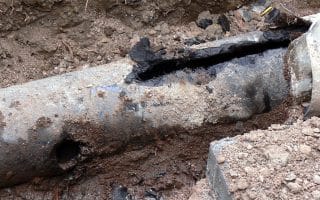

A lot of home owners don't realize that they are responsible for the water and…

I like finding the hidden costs in personal finances. Hidden costs are those costs that…

People sometimes ask how I got into personal finance. The simple answer is by reading.…

We've all wished at some point in our lives that we knew more about finance.…

For millions of retirees, Medicare Advantage plans seem like the perfect solution–affordable premiums, bundled benefits,…


Choosing a healthcare plan is one of the most important financial and medical decisions you…
Comments