
I have always enjoyed camping, first in a tent and then in a mini-motorhome. We’ve always found it to be an economical way to travel. It’s always been cheaper than flying or driving, staying in a hotel room, and eating out three meals a day. Campsites have historically been inexpensive and food is a non-issue as we’ve always cooked at the campsite rather than eating out. However, in recent years campsites have been going up in price because the popularity of camping is increasing. Many people also want swankier campgrounds and more amenities, which means higher rates for all. And we all know what the price of fuel has done to any kind of travel, and camping, particularly in a motorhome, has been affected just like everything else.
With summer vacation season looming, I’ve been questioning whether we should camp this year or just give it up and go the hotel route. Is it still the economical way to travel that it once was, or have higher gas prices and higher campsite rates eliminated the cost advantage of camping? I looked at the major aspects of any travel (lodging, food, and getting there and back) and compared camping to “regular” travel. Here’s what I found:
Lodging: Campsites are all over the map in price. You can stay in a state park for as little as $10 per night or you can stay in a swanky “resort-type” campground for over $100/night. We usually opt for something in the middle that offers a pool or lake, hiking or biking trails, and other forms of recreation such as planned activities. Looking over last year’s receipts, our average cost per night was $55 (and that’s kind of high because we spent two weeks at Disney World which is pricier than most other places we go). Looking at hotel rates for similar dates and destinations, I had a hard time finding much under $100 that I felt was safe, clean, and offered the amenities we would want (pool, proximity to attractions and restaurants, or a restaurant on property). To get the full complement of recreation activities that most campgrounds offer (planned activities, boat rentals, trails, etc.) I was looking at $150 or more. Even the priciest place we stayed last year (Disney), which offered more than we could ever hope to do averaged $50 less per night than an acceptable, but not great, hotel. Camping still wins as far as lodging goes, plus there are the intangibles: I know who slept in my bed and what happened there, no bedbugs, the bathroom is clean, there’s no risk of theft from housekeeping, and I have all my “fun stuff” with me such as games, the game console, DVD’s, etc. in case of bad weather.
Food: Camping still wins hands down in the food category. Since we are able to cook in our camper, we don’t eat out when we travel unless it’s something special. We’re not spending any more to eat on the road than we would if we were home. When we travel the regular way, we try to minimize food expenses by packing snacks or a cooler with sandwich fixings, but it doesn’t compare to the savings we get by camping.
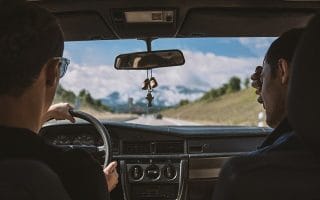
Getting there and back: This was where I expected camping to lose out. After all, the cost of fuel has skyrocketed and filling up a motorhome, even a small one, is not cheap. Our last trip last year cost us about $700 in fuel to go 1600 miles. It seems extreme, but when I started comparing it to flying, it wasn’t that different. Fuel prices make airfares go up, as well. Tickets to the same destination were about $200 per person and that was the absolute best fare I could find. So it would have cost $800 to fly our travel party there. And it wouldn’t have been quicker. We drove it in about ten hours. To fly (counting early arrival time to get through security, the flight and connection, the wait at baggage claim, and the time to get the rental car and get to the hotel) would have taken, at best, eight hours. And that’s if none of the flights were delayed or the luggage wasn’t lost. The rental car was necessary to get around and it’s an added expense if we travel the “regular way” because we tow our own car when we camp. Driving our own car there and back would have been the cheapest solution, but we would need to eat at restaurants on the road (a cost we avoid by camping) and be cramped in a car for ten hours. Plus, there would be wear and tear on our car to factor in. Camping doesn’t win this category hands down, but given that flying was almost identical in price, the intangible comforts of having my camper to spread out in and not having to go through the airport hassle makes camping the winner in my book.
The bottom line for our family is that camping is still the most economical way for us to travel. It’s not as economical as it once was, but then any kind of travel these days is pricier than it once was. Airfare goes up along with oil prices, just like gasoline. Inflation and increased demand drives up the cost of hotel rooms, just like campsites. Food prices go up whether you eat at home or in a restaurant, it’s just that food you eat at home doesn’t carry the markup that a restaurant meal does (and you don’t have to tip). As long as we’re still coming out ahead by camping, we’ll keep going. It comes down to this: If we want to travel (and we do), camping is the more economical choice for us. The only way to drastically cut this expense is to stay home and that’s not a choice we’re willing to make unless we’re in dire financial circumstances.
These numbers might not be true for everyone, however. There are some variables that might make the above analysis come out differently for you. For example, I didn’t need to factor in payments on a camper into my numbers because our is paid for. If we were making payments, the monthly payment would have to be factored into the overall cost of any vacations. If you tent camp or use a pop up, you’re not going to have the same gasoline costs, so camping for you might be even cheaper. We are able to save money when we camp because we can take our dog with us. Otherwise, we’d have to pay to kennel her which would add to the cost of “regular” travel for us. If you don’t have pets, this isn’t something you have to worry about. If you eat out when camping because you’re on vacation and don’t want to cook, you won’t realize the same savings on food. If you only stay in the super pricey resort-type campgrounds, you may be able to pay the same and get a good hotel. And if your camping rig is enormous and drinks a lot more gas than mine, you might be better off flying. Then it comes down to a matter of personal preference whether to camp or not.
Even if camping isn’t the money saver you thought it was, the lifestyle still offers a lot of intangibles that make it worthwhile for many. There’s the comfort of having your own stuff and the joy of not being crammed into an airline seat and processed through security. Families seem to bond a bit more when they camp as opposed to crashing in a hotel room. If you like the outdoors, few hotels can beat camping at any price. You don’t have to worry about packing limitations or paying for extra luggage; you can pack whatever you want. You can travel with your pets. Your kids can watch TV while you drive, keeping the “Are we there yet’s” to a minimum. True, camping costs more these days, but so does everything else. For us, camping still wins out both monetarily and in the intangibles. So I guess I’ll go get the camper ready for another year.
Image courtesy of m_m_mnemonic

Jennifer Derrick is a freelance writer, novelist and children’s book author. When she’s not writing Jennifer enjoys running marathons, playing tennis, boardgames and reading pretty much everything she can get her hands on. You can learn more about Jennifer at: https://jenniferderrick.com/.
Read More

Gas prices, consumer spending on home remodeling, and travel are on the rise while GameStop…
The pandemic has shown us all that life can change in the blink of an…

President Gerald Ford labeled inflation “public enemy number one” when it climbed to 20 percent…

It's no secret that vehicles are depreciating assets. The second you buy a new car…

If you can do a home upgrade and save money while doing so, you will…

For decades, we’ve been told that certain frugal habits are smart ways to stretch a…
Comments