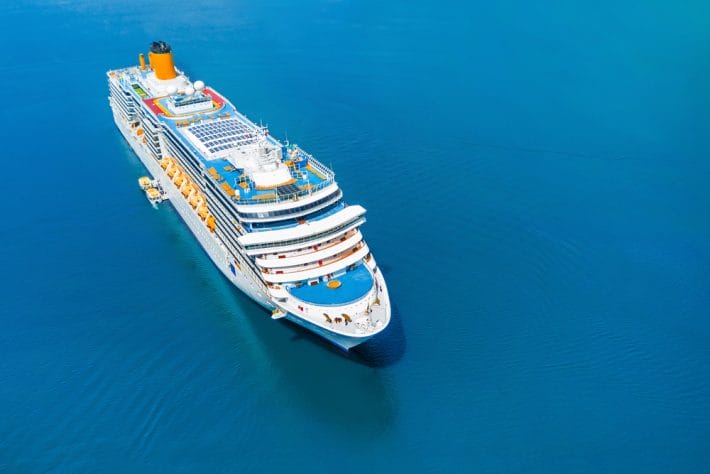
Many retirees planning summer cruises are suddenly hearing an unfamiliar and alarming word in the headlines: hantavirus. The concern intensified after a recent multi-country outbreak linked to the expedition cruise ship MV Hondius led to several deaths, international quarantines, and health monitoring efforts involving travelers from multiple countries. Health officials stress that the overall public risk remains low, but older adults may still want to understand how the illness spreads.
According to the CDC, the outbreak involves the Andes virus strain of hantavirus, which is rare but notable because limited person-to-person transmission has been documented in South America. Here is what you need to know about this virus and how it may impact your travel plans.
What Is Hantavirus and Why Are Cruise Travelers Hearing About It Now?
Hantavirus is a rare but potentially serious illness typically linked to exposure to infected rodents, especially through contaminated urine, saliva, or droppings. Most hantavirus infections occur after people inhale tiny airborne particles disturbed during cleaning or contact with rodent-infested spaces.
The current travel concerns emerged after a cluster of severe respiratory illnesses was reported aboard the Dutch cruise ship MV Hondius following travel connected to Argentina and the South Atlantic region. Health authorities later linked the outbreak to the Andes virus strain, which differs from the more common North American Sin Nombre strain because it may rarely spread between humans through close contact.
The World Health Organization reported multiple confirmed and suspected cases connected to the cruise outbreak, including several deaths, prompting international monitoring and quarantine efforts.
Why Cruise Passengers Over 60 May Be Paying Closer Attention
Many cruise travelers are retirees, which means outbreaks involving respiratory illness naturally raise concern among older adults. Hantavirus pulmonary syndrome can begin with flu-like symptoms such as fever, fatigue, muscle aches, headaches, and nausea before progressing to serious breathing difficulties in severe cases.
Older adults with underlying health conditions, including heart disease, lung disease, diabetes, or weakened immune systems, may face greater complications if serious respiratory illness develops. Reuters reported that several countries began monitoring passengers from the cruise outbreak closely because symptoms can take weeks to appear after exposure.
That said, cruise travel itself is not suddenly becoming dangerous, but retirees should understand the importance of monitoring symptoms after returning from regions experiencing active investigations or unusual illness clusters.
The CDC Says the Public Risk Remains Low
One important point many headlines fail to emphasize is that the CDC continues to describe the overall public risk from the outbreak as extremely low. According to CDC guidance, no confirmed U.S. cases tied directly to the cruise outbreak have been identified so far, even though several travelers remain under monitoring.
Health officials also stress that hantavirus does not spread easily in casual public settings the way viruses such as COVID-19 or influenza can spread. Most infections worldwide still originate from rodent exposure rather than human transmission.
Expedition Cruises and Remote Travel May Carry Different Risks
The recent outbreak has drawn attention to how expedition-style cruises differ from traditional large cruise vacations. Ships visiting remote wilderness areas, isolated islands, or rugged regions of South America may expose travelers to environmental conditions less common on standard Caribbean or Mediterranean cruises.
According to reports surrounding the MV Hondius outbreak, investigators believe some initial exposures may have occurred before or during land-based activities connected to remote travel regions where rodent exposure risks were higher. Retirees who enjoy adventure cruises, wildlife expeditions, hiking excursions, or remote eco-tourism may want to pay closer attention to public health advisories before departure.
Practical precautions such as avoiding rodent-infested areas, reporting unusual illness quickly, and maintaining strong travel insurance coverage become especially important during remote international travel.
What Symptoms Cruise Travelers Should Watch For
Hantavirus symptoms can appear anywhere from one week to six weeks after exposure, which is one reason health authorities are monitoring some cruise passengers for up to 42 days. Early symptoms often resemble influenza or other respiratory infections, making diagnosis difficult during the initial stages. Warning signs may include:
- Fever
- Muscle pain
- Fatigue
- Headaches
- Nausea
- Dizziness
- Abdominal discomfort
More severe respiratory symptoms then develop later. Anyone returning from cruises who experiences worsening shortness of breath or flu-like illness should contact a healthcare provider promptly and mention any recent international travel. But if you are experiencing some of these symptoms, it’s important not to panic. Many common illnesses mimic these same symptoms. However, you should always get yourself checked out if your symptoms get worse (especially after potential exposure).
Awareness Matters More Than Panic
The recent hantavirus travel alert has understandably made some older cruise passengers nervous, especially after reports of deaths connected to the outbreak aboard the MV Hondius. However, health authorities continue emphasizing that the overall public risk remains very low and that most travelers will never encounter hantavirus during normal vacations. As the summer travel season ramps up, awareness and preparation are likely to protect cruise passengers far more effectively than panic or canceling long-awaited trips.
Has the recent hantavirus travel alert changed how you think about cruises or international travel this summer? Share your thoughts in the comments below.
What to Read Next
5 Memorial Day Travel Fees Quietly Hitting Retirees Booking Last-Minute Trips in 2026
Hantavirus Travel Notice: The May 2 Cruise Advisory for Adults Over 60
Travel Warning: The TSA’s New Clear-Bag Requirement Comes With an Overlooked Restriction

Drew Blankenship is a seasoned personal finance and lifestyle writer with more than a decade of professional writing experience crafting clear, actionable advice that helps savers and investors over 40 protect their wealth and make smarter everyday decisions. His bylines appear regularly on SavingAdvice.com, CleverDude.com, and other respected outlets, where he draws on deep industry knowledge to deliver practical insights on cost control, smart spending, and long-term financial security.
Read More


Do you love to travel but hate to spend a lot of money on…

Travel insurance is often sold as peace of mind for retirees planning vacations. Policies promise…

Traveling young means learning how to stretch every dollar—and the right credit card can turn…

Travel hacking—using points, miles, and credit card perks to maximize trips—has become a popular way…

Traveling is typically expensive, which is why people often go the extra mile to secure…

Do you love all things Disney? If you've visited (or longed to visit) the various…
Comments