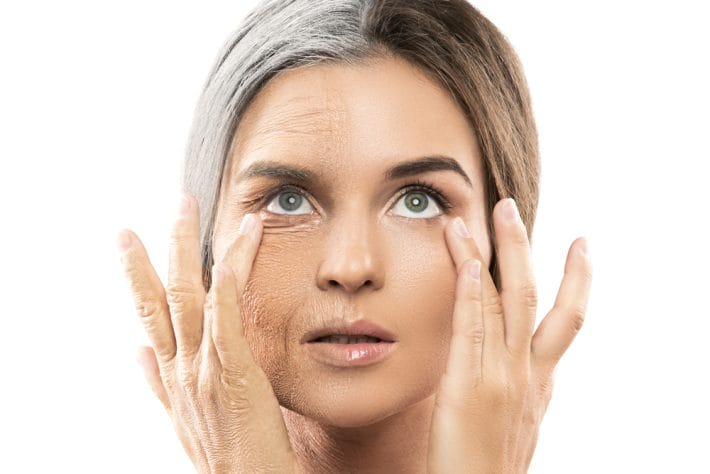
For decades, most people judged aging by a single number: the candles on a birthday cake. However, a growing number of health researchers, wellness clinics, and older adults are paying closer attention to something called biological age instead. Biological age tracking attempts to measure how quickly the body is actually aging based on biomarkers tied to inflammation, metabolism, cellular health, sleep, activity, and resilience. Here is why biological age is being looked at as a key health indicator.
Biological Age Tracking Focuses on “Healthspan,” Not Just Lifespan
One reason biological age tracking is becoming so popular is that many people no longer view longevity as simply living longer. Researchers increasingly focus on “healthspan,” which refers to the number of years someone remains physically active, mentally sharp, and independent. The Global Wellness Institute recently highlighted active aging and predictive health monitoring as major trends shaping wellness. Instead of waiting for diseases to appear, biological age tracking aims to measure early physiological decline while people still feel healthy.
Epigenetic Clocks Are Becoming More Widely Discussed
One of the most talked-about forms of biological age tracking involves epigenetic clocks. These systems analyze DNA methylation patterns, which are chemical markers that change as people age. Scientists say certain methylation changes appear strongly connected to aging, disease risk, and cellular stress. Researchers quoted by MIT explain that biological age reflects how the body is functioning internally rather than simply counting years since birth. While epigenetic testing is still evolving, many wellness clinics and direct-to-consumer companies now market these tests as ways to monitor how lifestyle habits affect aging over time.
Wearables Are Expanding Biological Age Tracking Beyond Blood Tests
Biological age tracking is no longer limited to specialized laboratories. New wearable devices, smart rings, and connected health platforms now claim to estimate aging patterns using sleep quality, activity levels, heart rate variability, metabolic markers, and recovery trends. A recently introduced AI-powered wellness ring called CUDIS Age says it tracks “pace of aging” data based on daily physiological signals. Meanwhile, researchers are also developing open-source systems that estimate biological age using smartwatch activity and circadian rhythm data.
Active Aging Biomarkers Are Being Linked to Exercise and Recovery
Exercise remains one of the strongest lifestyle factors associated with healthier aging, which is why many biological age tracking systems now heavily emphasize movement and recovery data. Recent medical reviews examining physical activity and aging biomarkers found that exercise may influence inflammation, metabolic health, muscle preservation, and overall resilience. Some wearable companies now market biological age scores specifically as motivation tools designed to encourage consistent movement, sleep improvement, and stress reduction. Early user data released by CUDIS even suggested physical activity had a stronger relationship to biological aging than sleep duration alone.
Researchers Hope Biomarkers Will Speed Up Longevity Science
Scientists are especially interested in biological age tracking because aging research traditionally moves very slowly. Since human lifespan unfolds across decades, researchers often struggle to evaluate whether interventions truly improve healthy aging within practical timeframes. Federal programs like ARPA-H’s PROSPR initiative are now investing in research designed to identify reliable aging biomarkers that could speed up healthy aging studies dramatically. If researchers can measure meaningful biological changes faster, new therapies and prevention strategies may reach patients much sooner.
June 2026 Is Becoming a Turning Point for Consumer Longevity Tech
Interest in biological age tracking appears to be reaching a new level heading into summer. Longevity-focused wellness companies, wearable manufacturers, and research institutions are rapidly expanding products tied to active aging biomarkers. The wellness industry increasingly markets these technologies around prevention, resilience, and independence instead of vanity-driven “anti-aging” messaging. Even mainstream consumer health devices are beginning to incorporate longevity assessments tied to cardiovascular, metabolic, and cellular health indicators. That shift suggests biological age tracking may soon become as common as tracking daily steps or blood pressure readings.
Biological Age Tracking Reflects a Bigger Shift in How People Think About Aging
More Americans now want to measure how well they are aging rather than simply counting how many birthdays they have celebrated. Active aging biomarkers, wearable health devices, epigenetic testing, and personalized wellness tracking are all part of a broader push toward proactive healthcare focused on maintaining independence and quality of life. While the science still has limitations, researchers and consumers alike increasingly view biological age tracking as a promising tool for understanding long-term health trends earlier. In many ways, the future of aging may become less about hiding age and more about measuring resilience.
Would you personally use biological age tracking technology to monitor your health and aging patterns? Share your thoughts in the comments below.
What to Read Next
7 New Aging-Cell Findings Scientists Say Could Change How We Think About “Biological Age”
4 Lifesaving Telehealth Benefits for Seniors That Became Standard Under Recent Federal Rules
Experts Warn These 5 Gut Symptoms Could Signal a Bigger Health Problem

Drew Blankenship is a seasoned personal finance and lifestyle writer with more than a decade of professional writing experience crafting clear, actionable advice that helps savers and investors over 40 protect their wealth and make smarter everyday decisions. His bylines appear regularly on SavingAdvice.com, CleverDude.com, and other respected outlets, where he draws on deep industry knowledge to deliver practical insights on cost control, smart spending, and long-term financial security.
Comments