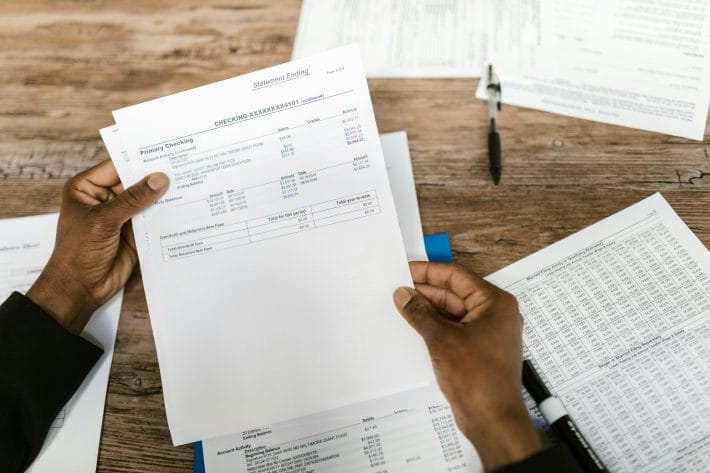
Do you have a junk drawer full of random paperwork and documents? You’re not alone. Most people do, but what you keep in there could either hurt or help you. Toss the wrong thing, and you could run into financial problems (and even issues with the IRS). But keeping everything isn’t the answer either. That can cause confusion and even lead to identity theft, in some cases.
When it comes to financial records, keeping the right documents isn’t just about organization. You need to make moves to protect yourself. The IRS generally recommends keeping tax-related records for at least three years, though some situations require longer retention. On the flip side, holding onto unnecessary documents increases your risk of identity theft if they fall into the wrong hands. That being said, here are six bank papers you really need to hold onto, and three you’re better off tossing today.
1. Bank Statements
Bank statements are one of the most common financial documents people accumulate. You should keep monthly statements for about one year, especially to verify transactions and spot errors. However, statements tied to tax filings, major purchases, or business expenses should be kept for up to seven years. After that, most can be safely shredded because banks typically store digital copies for several years.
2. Tax-Related Bank Records
Any bank document tied to your taxes deserves extra attention. This includes statements showing income deposits, deductible expenses, or charitable donations. The IRS can audit your return for at least three years and up to six or seven in certain cases. That’s why financial experts recommend holding onto these records for a minimum of three to seven years.
3. Loan and Mortgage Documents
If you’ve ever taken out a loan, your paperwork doesn’t become irrelevant once payments start. Loan agreements, payoff statements, and mortgage documents should be kept until the debt is fully satisfied. Even after payoff, it’s wise to keep proof for several years in case of disputes or reporting errors. These documents can also be critical if questions arise about ownership or payment history.
4. Investment and Retirement Account Records
Investment-related documents require a longer retention strategy than everyday banking papers. Statements showing contributions, withdrawals, and cost basis are essential for tax calculations. You should keep annual summaries until you sell the investment and resolve any tax implications. Without these records, calculating gains or losses becomes much more difficult.
5. Records of Major Purchases or Transfers
Large transactions, like buying a car, transferring funds, or making a major payment, should always be documented. These records can serve as proof of ownership, payment, or financial activity. They may also be needed for insurance claims or legal disputes. In many cases, a single document can save you thousands if a disagreement arises.
6. Fraud or Dispute Documentation (Keep Until Fully Resolved)
If you’ve ever dealt with fraud or a billing dispute, you know how quickly things can get complicated. Keep all related bank records, emails, and correspondence until the issue is fully resolved. Even after resolution, it’s smart to hold onto documentation for at least a year. This protects you if the issue resurfaces or if further verification is needed.
3 Bank Papers You’re Better Off Throwing Away
Not every document needs to be saved forever, and keeping too much can create unnecessary risk. Here are three types of bank papers you can safely discard (after reviewing them carefully):
- Old ATM receipts: Once you’ve confirmed the transaction on your statement, these can be shredded immediately.
- Outdated monthly statements (non-tax related): After one year, most can be discarded if they’re not tied to taxes or major purchases.
- Duplicate or easily replaceable documents: Many records are stored digitally by banks, making paper copies unnecessary.
Shredding is key. Never throw sensitive financial documents in the trash without destroying them first.
Protect Your Money by Knowing What to Keep
Your financial documents tell the story of your money, and sometimes, they’re the only proof you have. Keeping the right bank papers can protect you during audits, disputes, or major financial decisions. At the same time, letting go of unnecessary documents reduces clutter and protects your identity. A few smart decisions today can save you serious stress (and money) down the road.
Do you tend to keep everything, or are you quick to throw financial papers away? Share your strategy in the comments!
What to Read Next
8 Digital Skills Every Adult Over 50 Needs as Banks Phase Out In‑Person Services
Banks Are Shutting Down Accounts in 2026 De‑Risking Sweeps — Here’s How to Avoid Getting Flagged
The 2026 Bank App Update Blocking Older Phones — Why Thousands Can’t Log In

Drew Blankenship is a seasoned automotive professional with over 20 years of hands-on experience as a Porsche technician. While Drew mostly writes about automotives, he also channels his knowledge into writing about money, technology and relationships. Based in North Carolina, Drew still fuels his passion for motorsport by following Formula 1 and spending weekends under the hood when he can. He lives with his wife and two children, who occasionally remind him to take a break from rebuilding engines.
Read More


Metropolitan Commercial Bank (MCB) is pulling out of the cryptocurrency market, while Silvergate Bank is…

For decades, retirees were told to keep their savings safe in banks, FDIC-insured, easily accessible,…

Most people think financial collapse happens suddenly—an unexpected medical bill, a job loss, or a…

Avoiding unnecessary fees is often critical for financial wellness. However, ensuring you aren’t hit with…

Everyone wants to build wealth. But not everyone does it the right way. In fact,…

Banking hours have gotten a little confusing within the past few years. Chase Bank currently…
Comments