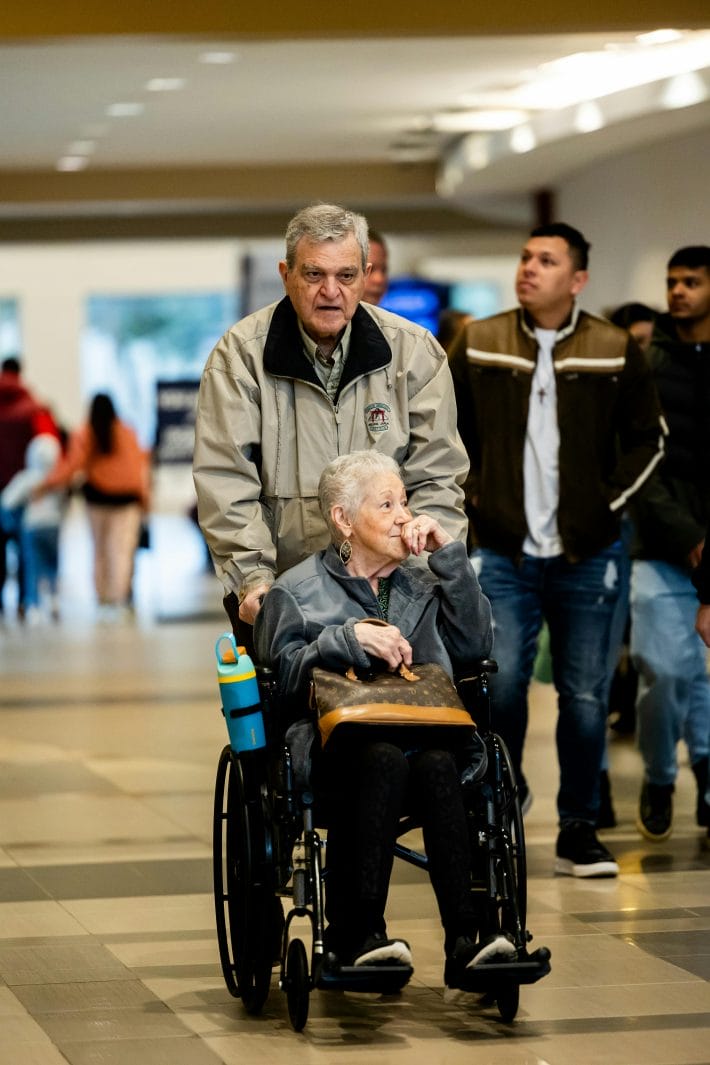
No one wants to think about having some kind of emergency while they are on an airplane. It is stressful to even consider all of the things that could go wrong. In fact, many people have anxiety about flying for that very reason. However, medical emergencies in the air are more common than you’d think.
Recent research shows in-flight medical emergencies now occur on roughly 1 in every 212 flights, a rate higher than previously estimated. That number becomes even more important when you consider the growing number of seniors flying each year. Cabin pressure, reduced oxygen levels, and long travel times can all add stress to the body, especially for those over 60. That said, here are seven in-flight medical emergencies that have been rising among seniors (plus what doctors say you should pack in your carry-on).
1. Fainting and Dizziness Are Still the Most Common
Fainting, also called syncope, remains one of the most frequent in-flight medical emergencies. Changes in cabin pressure and dehydration can reduce blood flow to the brain, causing sudden dizziness. Seniors are especially vulnerable due to medications and underlying health conditions. Standing up too quickly after sitting for hours can also trigger an episode. Staying hydrated and moving regularly can significantly reduce this risk.
2. Cardiac Events Are Among the Most Dangerous
Heart-related issues are one of the leading causes of serious in-flight medical emergencies. Chest pain, irregular heart rhythms, and even cardiac arrest can occur mid-flight. These events are especially concerning because medical equipment onboard is limited. Studies show cardiac emergencies are among the top reasons planes are forced to divert. Anyone with a history of heart disease should always consult their doctor before flying. Bringing prescribed medications and knowing warning signs can be lifesaving.
3. Breathing Problems Increase at High Altitudes
Airplane cabins are pressurized, but oxygen levels are still lower than at sea level. This can worsen conditions like COPD, asthma, or other respiratory illnesses. Even healthy seniors may feel shortness of breath during long flights. Oxygen is one of the most commonly administered treatments during in-flight medical emergencies. Those with known breathing issues may need supplemental oxygen arranged in advance. Ignoring symptoms can quickly turn a mild issue into an emergency.
4. Stroke Symptoms Require Immediate Action
Neurological emergencies like strokes are among the most serious situations in the air. Symptoms can include confusion, slurred speech, or sudden weakness on one side of the body. These cases are a leading cause of emergency landings. Time is critical with strokes, but treatment options are limited mid-flight. Seniors are at higher risk due to age-related factors and preexisting conditions. Recognizing symptoms early and alerting the crew immediately is essential.
5. Gastrointestinal Issues Can Escalate Quickly
While often less severe, gastrointestinal problems like nausea, vomiting, or abdominal pain are surprisingly common. Cabin pressure changes and anxiety can contribute to these symptoms. For older travelers, dehydration from vomiting can become dangerous quickly. Some cases may mimic more serious conditions like heart attacks. Flight crews are trained to assess severity, but diagnosis is limited. Packing light snacks and avoiding heavy meals before flying can help prevent issues.
6. Blood Clots Are a Hidden Risk on Long Flights
Deep vein thrombosis (DVT) is a major concern during long-haul travel. Sitting for extended periods can slow circulation, leading to dangerous blood clots. Passengers 60+ are particularly at risk due to reduced mobility and circulation changes. Symptoms may not appear until hours or even days after the flight. Walking the aisle and doing simple leg exercises can help reduce risk. Compression socks are often recommended for prevention.
7. Anxiety and Panic Attacks Are Increasing
Mental health-related in-flight medical emergencies are also on the rise. Anxiety, panic attacks, and even confusion can occur, especially in unfamiliar environments. Seniors traveling alone may feel more vulnerable or disoriented. These episodes can mimic serious medical conditions, making them difficult to assess. Flight attendants are trained to manage these situations calmly. Preparing mentally for travel and using relaxation techniques can make a big difference.
The One Item Doctors Say Every Senior Should Pack
If there’s one simple thing experts consistently recommend, it’s a complete, updated medical information card. This card should list medications, allergies, medical conditions, and emergency contacts.
In the event of an in-flight medical emergency, this information can help responders act quickly and accurately. It’s especially critical when the passenger is unable to communicate. Some doctors also recommend wearing a medical alert bracelet for added safety. In a high-stress situation at 30,000 feet, this small item can save valuable time and potentially your life.
Have you or someone you know ever experienced a medical issue on a flight? What would you add to this list to stay safe in the air?
What to Read Next
The 6,000-Flight Collapse: Why Your Spring Travel Plans Just Became a National Emergency
Why Is It So Hard To Get Refunded For A Flight?
7 Things Cruise Lines Don’t Tell You to Bring — But You’ll Pay for If You Forget
Veterans Get Exclusive Travel Discounts and Free Upgrades — A Perk Most Never Use
Should You Ever Go on a Cruise Alone After 70?

Drew Blankenship is a seasoned personal finance and lifestyle writer with more than a decade of professional writing experience crafting clear, actionable advice that helps savers and investors over 40 protect their wealth and make smarter everyday decisions. His bylines appear regularly on SavingAdvice.com, CleverDude.com, and other respected outlets, where he draws on deep industry knowledge to deliver practical insights on cost control, smart spending, and long-term financial security.
Read More


You don’t need to be uninsured to be financially blindsided by a hospital visit. Across…

As technology evolves at breakneck speed, many seniors continue to rely on familiar medical devices…

Diabetic shoes might seem like a necessity, and for many patients, they are, but Medicare…

You’d think with all the advances in modern medicine, doctors would only recommend the most…

A surprise bill is stressful at any age, but it hits differently when you’re living…

Budgeting in retirement is a necessity, but not all budget hacks are created equal. Some…
Comments