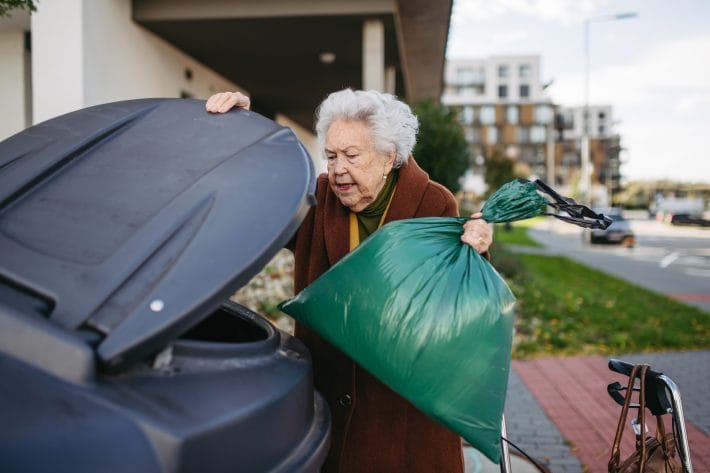
Like many other states, New York’s aging population is growing fast. And lawmakers are responding with investments in home care, transportation, nutrition programs, and caregiver support. But not every senior will benefit equally. From Niagara County to New York City, the latest funding boosts are designed to support seniors who want to age safely at home, avoid unnecessary nursing‑home placement, and stay connected to their communities. These are the groups of people who are most likely to benefit from these new programs.
Seniors Waiting for Homecare Through EISEP
Many older adults have been stuck on long waitlists for New York’s Expanded In‑Home Services for the Elderly Program (EISEP). This program provides non‑medical home care, like bathing, meal prep, and housekeeping, for seniors who don’t qualify for Medicaid but still need support.
With new funding, counties from Niagara to NYC can finally reduce wait times and serve more people. These New York senior services expansions are especially helpful for seniors who want to avoid nursing‑home placement but can’t afford private‑pay home care. If you’ve been waiting months for help, this year may bring long‑overdue relief.
Low‑Income Seniors Struggling With Daily Living Tasks
Many low‑income seniors need help with daily activities, but don’t qualify for Medicaid or long‑term care insurance. New funding allows counties to expand sliding‑scale home care, transportation, and case‑management services.
These New York senior services programs are designed to keep vulnerable seniors safe at home by providing just enough support to prevent accidents or hospitalizations. Seniors living alone or without family nearby are especially likely to benefit. Even a few hours of weekly assistance can dramatically improve quality of life.
Seniors in Rural Counties Like Niagara, Orleans, and Allegany
Rural seniors often face the biggest barriers to care, like long travel distances, limited public transportation, and fewer homecare workers. New York’s latest funding increases help rural counties expand transportation, home‑delivered meals, and caregiver support. These New York senior services improvements are critical for older adults who struggle to reach medical appointments or grocery stores.
Rural counties can now hire more staff and partner with local nonprofits to reach isolated seniors. If you live far from major cities, these changes may finally bring services closer to home.
Seniors in New York City Facing Overwhelmed Homecare Agencies
New York City has one of the largest senior populations in the country, and demand for homecare has outpaced supply for years. New funding allows NYC agencies to expand case management, reduce waitlists, and support seniors who need help navigating complex systems. These New York senior services expansions are especially important for seniors living in high‑rise buildings or neighborhoods with limited community resources.
More funding also means more culturally competent services for diverse communities. NYC seniors who have struggled to access help may finally see shorter wait times.
Seniors With Chronic Health Conditions Who Want to Age at Home
Older adults managing diabetes, heart disease, mobility issues, or cognitive decline often need extra support to remain independent. New York’s increased investment in homecare and caregiver programs helps these seniors stay safely at home longer.
These New York senior services expansions include personal‑care aides, home‑delivered meals, and wellness checks. Seniors with multiple chronic conditions are among the most likely to benefit. With the right support, many can avoid costly hospitalizations and maintain their independence.
Family Caregivers Who Are Burned Out or Overwhelmed
Family caregivers provide billions of dollars’ worth of unpaid care every year, and many are exhausted. New York’s expanded funding includes respite care, caregiver training, and support groups.
These New York senior services programs help caregivers take breaks, learn new skills, and access emotional support. Caregivers in both rural and urban areas will see new resources become available. When caregivers get help, seniors benefit too.
Seniors Who Need Transportation for Medical Appointments
Transportation is one of the biggest barriers to aging in place, especially for seniors who no longer drive. New funding allows counties to expand senior‑transportation programs, volunteer driver networks, and medical‑appointment shuttles.
These New York senior services improvements help seniors access doctors, pharmacies, and community centers. Seniors in both upstate and downstate regions will see expanded routes and more availability. Reliable transportation can be the difference between independence and isolation.
Seniors Facing Food Insecurity or Difficulty Cooking
New York’s home‑delivered meals and congregate dining programs are receiving additional funding to serve more seniors. This expansion helps older adults who struggle to cook, shop, or afford nutritious meals. These New York senior services programs also provide wellness checks, social interaction, and nutrition education. Seniors living alone or with mobility challenges are especially likely to benefit. More funding means fewer waitlists and more consistent meal delivery.
Seniors Transitioning Out of Hospitals or Rehab Facilities
Many older adults need short‑term help after a hospital stay or rehabilitation. New York’s expanded funding supports transitional services like home care, case management, and medication assistance.
These New York senior services programs help prevent readmissions and ensure seniors recover safely at home. Seniors without nearby family support are especially likely to benefit. Smooth transitions can dramatically improve long‑term health outcomes.
New York’s Aging Investments Can Change Lives
New York’s expanded funding for home care and aging services has the potential to transform life for thousands of older adults, but only if they know what’s available. These New York senior services improvements are designed to reduce waitlists, support caregivers, and help seniors age safely at home. Whether you live in Niagara County, Manhattan, or anywhere in between, now is the time to explore your local Office for the Aging and ask what new programs you qualify for.
What part of New York’s expanded senior‑services funding do you think will help your community the most?
What to Read Next
10 Senior Discounts Most Seniors Have No Idea They Qualify For
Emergency Family Scam: The Late-Night Call That Pressures Seniors to Wire Money Immediately
The March 31 Deadline: Why Many Seniors Are Reviewing Medicare Part B Enrollment This Month
Stop Paying for Tax Prep: The 2026 Free File Options for Seniors

Drew Blankenship is a seasoned personal finance and lifestyle writer with more than a decade of professional writing experience crafting clear, actionable advice that helps savers and investors over 40 protect their wealth and make smarter everyday decisions. His bylines appear regularly on SavingAdvice.com, CleverDude.com, and other respected outlets, where he draws on deep industry knowledge to deliver practical insights on cost control, smart spending, and long-term financial security.
Read More


Budgeting in retirement is a necessity, but not all budget hacks are created equal. Some…

You may not notice it when checking your bank account once or twice a month,…

If you’re on Medicare—or helping a parent or spouse manage their coverage—there’s a growing problem…

For many older homeowners, property taxes are one of the biggest financial burdens in retirement.…

These days, fewer people paying for cable and satellite services. Instead, more people are turning…

Healthcare costs continue to rise, and many Americans are shocked to learn that paying cash…
Comments