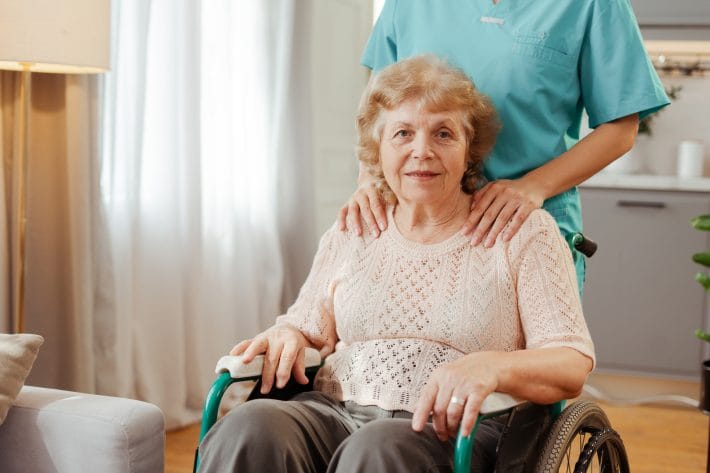
AARP reports that nearly 1 in 4 Americans have become family caregivers. Most of them are unpaid and are constantly pushing themselves past their limits because they feel guilty for taking time for themselves. In some cases, they believe stepping away, even briefly, is selfish or unsafe. What keeps a lot of people in this hard spot are respite care myths. You could be getting the support you need. That said, here are seven myths that you should stop believing.
1. “Respite Care Is Only for Caregivers Who Are Struggling”
One of the most common respite care myths is that only overwhelmed or failing caregivers need a break. In reality, respite care is designed for every caregiver, regardless of how well things seem to be going. Even the most capable caregivers need time to rest, recharge, and handle their own responsibilities. Taking breaks prevents burnout and helps you stay emotionally steady. Using respite care early and often is a sign of strength, not weakness.
2. “My Loved One Won’t Accept Help From Anyone Else”
Many caregivers believe their loved one will refuse outside help, but this is another widespread respite care myth. While some older adults resist at first, most adjust quickly once they meet a compassionate, trained caregiver. Professionals know how to build trust, ease anxiety, and support independence. Sometimes a fresh face can even improve cooperation and reduce tension. Giving your loved one a chance to adapt can open the door to long‑term support.
3. “Respite Care Is Too Expensive for Most Families”
Cost is one of the biggest respite care myths, but many families don’t realize how many programs offer financial assistance. Medicaid waivers, nonprofit organizations, veterans’ benefits, and local aging agencies often provide low‑cost or free respite options. Some states even offer caregiver stipends or vouchers. Short‑term respite is also more affordable than long‑term burnout, which can lead to lost income or health problems. Exploring available programs can reveal far more support than you expect.
4. “No One Else Can Care for My Loved One the Way I Do”
This belief comes from love, but it’s still one of the most limiting respite care myths. While no one can replace your relationship, trained respite providers can handle daily tasks safely and professionally. Many caregivers are surprised to learn that their loved one benefits from interacting with someone new. Outside caregivers can introduce fresh routines, new activities, and different communication styles. Sharing the workload doesn’t diminish your role—it strengthens it.
5. “Respite Care Will Disrupt My Loved One’s Routine”
Some caregivers fear that bringing in outside help will confuse or upset their loved one. But this is another respite care myth, because professional caregivers are trained to follow established routines closely. They can maintain medication schedules, meal times, mobility support, and personal‑care habits. In many cases, respite providers help stabilize routines by offering consistency when family caregivers are overwhelmed. A predictable schedule is easier to maintain when you’re not running on empty.
6. “I Should Be Able to Do This All on My Own”
Caregivers often feel guilty asking for help, believing they should shoulder everything themselves. This is one of the most harmful respite care myths, because caregiving is physically and emotionally demanding. No one can provide 24/7 care without breaks—not safely, and not sustainably. Accepting help protects your health and ensures your loved one receives better care in the long run. Caregiving is a team effort, not a solo mission.
7. “Respite Care Is Only for Long‑Term Caregivers”
Many people assume respite care is only for those caring for someone with advanced dementia or severe disabilities. But this respite care myth overlooks the fact that respite is available for short‑term, part‑time, and transitional caregivers too. Whether you’re helping a parent recover from surgery or supporting a spouse through a temporary illness, breaks are still essential. Respite care can be used for a few hours, a weekend, or longer if needed. Every caregiver deserves time to rest, regardless of the situation.
Caregivers Deserve Support Long Before They Burn Out
Caregiving is an act of love, but it shouldn’t come at the cost of your health or well‑being. Challenging common respite care myths helps caregivers understand that asking for help is not only acceptable—it’s necessary. When you take breaks, you return with more patience, more energy, and more emotional resilience. Your loved one benefits from your strength, not your exhaustion.
What’s one myth about caregiving or respite care that you think more people need to hear the truth about?
What to Read Next
5 Ways State Budget Shortfalls Are Reducing Senior Programs
10 Medicaid Extra Benefits That Can Reduce Out-of-Pocket Costs in 2026
Why Adult Children Are Refusing to Become Caregivers
The Financial Downside of Caring for Elderly Parents Full Time
How Caregivers Can Get Paid Legally to Help Family Members

Drew Blankenship is a seasoned personal finance and lifestyle writer with more than a decade of professional writing experience crafting clear, actionable advice that helps savers and investors over 40 protect their wealth and make smarter everyday decisions. His bylines appear regularly on SavingAdvice.com, CleverDude.com, and other respected outlets, where he draws on deep industry knowledge to deliver practical insights on cost control, smart spending, and long-term financial security.
Read More


Christmas shopping is starting earlier. Meanwhile, women are finding it tougher to get back to…

Within the United States and Canada, there are over 60 dental schools which provide inexpensive…

Happy National Hair Day 2021! That's right, there's a day for that. October 1st is…

For millions of retirees, Medicare Advantage plans seem like the perfect solution–affordable premiums, bundled benefits,…

Millions of Americans provide unpaid care to aging parents, spouses, or relatives. They manage medications,…

Did you know that medical errors lead to approximately 100,000 preventable deaths in the United…
Comments