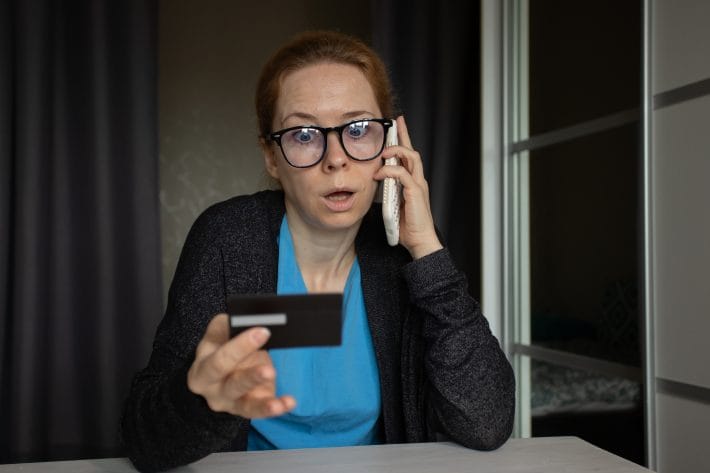
A massive number of compromised accounts has sparked new warnings from cybersecurity professionals. Unfortunately, older Americans tend to be the most common victims of data breaches. While they are nothing new, the way criminals are using stolen information has changed dramatically. Suddenly, scammers are building detailed profiles of retirees and other victims, then striking when you least expect it. Here are seven ways these criminals are using your data now.
1. Criminals Use Stolen Emails to Launch Hyper‑Targeted Phishing Attacks
Hackers often begin with email addresses pulled from compromised accounts, then combine them with leaked passwords, phone numbers, or mailing addresses. This allows them to craft phishing messages that look shockingly real, sometimes even referencing past purchases or known service providers.
Retirees are especially vulnerable because many rely on email for Social Security updates, Medicare notices, and banking alerts. When a message appears familiar, victims are more likely to click without thinking. Once scammers gain access to an inbox, they can reset passwords, impersonate the victim, and escalate the attack.
2. Leaked Phone Numbers Fuel a Surge in “Spoofed” Government Calls
Criminals are increasingly using stolen phone numbers to launch convincing robocalls and live scams. These calls often appear to come from the IRS, Social Security Administration, or Medicare… all agencies seniors interact with regularly.
Scammers use personal details from data breaches to sound legitimate, referencing the victim’s city, age, or even past employers. This level of detail makes retirees more likely to stay on the line and follow instructions.
3. Breached Addresses Help Scammers Send Fake Bills and Physical Mailers
One of the fastest‑growing tactics involves using home addresses to send fraudulent letters. These mailers often mimic Medicare statements, utility bills, or insurance notices, which are documents seniors expect to receive.
Because physical mail feels more official than email, retirees may respond without verifying the sender. Scammers then direct victims to call a fake customer‑service number, where trained fraudsters extract personal or financial information. This method is particularly dangerous because it bypasses digital security tools entirely.
4. Criminals Combine Multiple Data Breaches to Build “Full Identity Profiles”
Hackers rarely rely on a single breach. Instead, they merge information from multiple compromised accounts to create detailed identity portfolios. These profiles can include Social Security numbers, birthdates, medical IDs, and even driver’s license information.
With enough data, criminals can open credit cards, apply for loans, or file fraudulent tax returns in a retiree’s name. Seniors often discover the damage months later, long after the scammer has disappeared. This layered approach is why experts say modern identity theft is harder to detect and far more destructive.
5. Stolen Login Credentials to Access Retirement and Investment Accounts
Perhaps the most alarming trend is the use of stolen usernames and passwords to break into financial platforms. Many retirees reuse passwords across multiple sites, making them easy targets once compromised accounts appear on the dark web.
Criminals often monitor investment or retirement accounts quietly, waiting for the right moment to transfer funds. Some even change contact information so victims stop receiving alerts. By the time retirees notice unusual activity, the money is often gone for good.
6. Medical Data Breaches Lead to Medicare and Insurance Fraud
Healthcare‑related breaches are especially dangerous because they expose sensitive medical information. Criminals use this data to file fake Medicare claims, order medical equipment, or bill insurance companies under a retiree’s name.
These scams often go unnoticed until legitimate claims are denied or unusual charges appear on statements. Seniors dealing with chronic conditions may overlook small discrepancies, giving scammers months of free access.
7. Criminals Use Stolen Data to Impersonate Family Members
One of the most heartbreaking uses of a compromised account is the rise of impersonation scams targeting grandparents. Criminals use leaked family names, travel details, and social‑media information to pose as a grandchild in distress.
They may claim to be stranded overseas, injured, or arrested, all situations designed to trigger panic. Because the details sound accurate, retirees often act quickly without verifying the story. These scams can lead to thousands of dollars in losses within minutes.
How Retirees Can Stay Ahead of These Evolving Threats
The surge in compromised accounts shows how quickly criminals adapt their tactics, especially when targeting older adults. Retirees can protect themselves by using unique passwords, enabling two‑factor authentication, monitoring financial statements, and verifying all unexpected communications. While data breaches are unavoidable, falling victim to fraud doesn’t have to be.
Have you or someone you know been targeted after a data breach? Share your experience in the comments to help others stay safe.
What to Read Next
10 Sneaky Entry Points Criminals Use—And How to Lock Them Down Fast
Digital License Plates Hacked: How Cybercriminals Can Shift Tolls and Tickets to You
3 Medicare Cost Hikes Every Retiree Should Know About (Before They Spend Again)
Millions of Retirees Could Owe More in Taxes This Year — Here’s Why

Drew Blankenship is a seasoned automotive professional with over 20 years of hands-on experience as a Porsche technician. While Drew mostly writes about automotives, he also channels his knowledge into writing about money, technology and relationships. Based in North Carolina, Drew still fuels his passion for motorsport by following Formula 1 and spending weekends under the hood when he can. He lives with his wife and two children, who occasionally remind him to take a break from rebuilding engines.
Read More


Whether you’re a senior on a budget or just being savvy with your money, the…

For decades, retirees were told to keep their savings safe in banks, FDIC-insured, easily accessible,…

Just a few short years ago, I was thrilled to start investing in online savings…


Oil and Gas Taking Energy Out of Inflation Gas prices have been quietly moving…

If you’re retired and expecting your tax bill to look the same as last year,…

Headlines about health privacy can make it sound like a brand-new rule quietly flipped a…
Comments