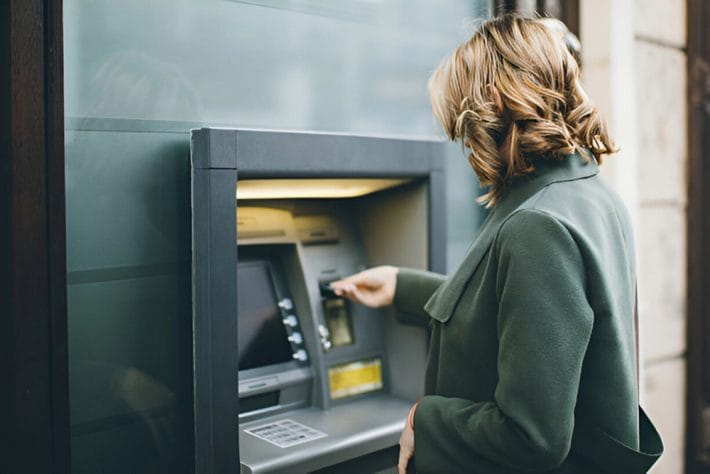
Have you ever gone to swipe your card and it gets declined, even though you know you have plenty of money? It’s happened to my wife and me on several occasions. The latest purchase was a “luxury” comforter at Belk. Chase flagged our purchase because it was more than $500 and we’d just eaten a nice meal beforehand (hey, it was our anniversary!).
Banks have become more cautious in recent years, with scams and hacking at an all-time high. Now, they are using automated systems to detect anything that might seem a little suspicious. Even if you have done nothing wrong, your whole day could be ruined by this. These systems are put in place to protect you, but these eight relatively common things can get your account flagged.
1. Unusually Large Purchases Made Suddenly
Banks monitor spending patterns closely, and a sudden large purchase can be flagged as suspicious bank activity. Even if you’re simply buying furniture, booking a vacation, or paying for a home repair, the system may see it as unusual. When a transaction doesn’t match your typical spending habits, the bank may temporarily freeze your card to verify it’s really you. This can be frustrating, especially if you’re standing at the checkout counter.
How can you avoid this? Calling ahead before making a big purchase can help prevent unnecessary interruptions.
2. Multiple Small Transactions in a Short Time
While large purchases raise red flags, so do clusters of small ones. Fraudsters often test stolen cards with tiny charges before making bigger purchases, which is why banks flag this pattern as suspicious bank activity. Unfortunately, legitimate customers can trigger the same alert when paying tolls, using vending machines, or making several online purchases in a row. The system doesn’t know the difference; it only sees unusual frequency.
How can you avoid this? If this happens often, enabling transaction alerts can help you respond quickly.
3. Purchases Made Far From Your Home
Buying something in another state (or even another city) can trigger a fraud alert. Banks use location data to detect suspicious bank activity, and anything outside your normal area may look risky. This is especially common for travelers who forget to notify their bank before a trip. Even online purchases from retailers based in other states can sometimes trigger alerts.
How can you avoid this? Keeping your bank updated about travel plans can prevent unnecessary declines.
4. Logging In From a New Device or Location
Banks track where and how you access your account, and a login from a new device can be flagged as suspicious bank activity. This includes logging in from a new phone, a hotel Wi‑Fi network, or a public computer. The bank may require additional verification or temporarily lock your account until you confirm it was you. While this can feel inconvenient, it’s designed to stop unauthorized access.
How can you avoid this? Using two‑factor authentication can help reduce these disruptions. However, it’s always a good idea not to log into your bank account on public devices.
5. Sending or Receiving Large Transfers
Whether you’re paying a contractor, helping a family member, or moving money between accounts, large transfers often trigger alerts. Banks monitor transfers closely because they’re a common target for scams and money‑laundering schemes. Even legitimate transfers can be flagged as suspicious bank activity if they’re larger than usual or sent to a new recipient. Some banks may hold the funds temporarily until they verify the transaction.
How can you avoid this? Planning ahead can help avoid delays when moving large amounts of money.
6. Using Peer‑to‑Peer Apps for Unusual Amounts
Apps like Venmo, Cash App, and Zelle are convenient, but they’re also heavily monitored. Sending or receiving unusual amounts, especially round numbers, can be flagged as suspicious bank activity. Banks look for patterns that resemble scams, such as repeated transfers to unfamiliar contacts. Even splitting bills or paying for group events can trigger alerts if the amounts are higher than normal.
How can you avoid this? Keeping clear notes in payment descriptions can sometimes help clarify legitimate transactions.
7. International Purchases or Currency Conversions
Anything involving foreign currency or international merchants is more likely to be flagged. Banks treat these transactions as higher‑risk because international fraud is common. Even if you’re buying from a legitimate overseas retailer, the system may classify it as suspicious bank activity. This can lead to declined transactions or temporary account holds.
How can you avoid this? Using a travel‑friendly card or notifying your bank before international purchases can help prevent issues.
8. Depositing Checks That Don’t Match Your Usual Pattern
Banks also monitor deposits, not just withdrawals. A check that’s larger than normal, from an unfamiliar source, or deposited through mobile banking may be flagged as suspicious bank activity. This is especially common with insurance payouts, tax refunds, or one‑time payments. When a deposit looks unusual, the bank may place a longer hold on the funds.
How can you avoid this? Keeping documentation handy can help resolve questions quickly if the bank asks for verification.
Why Banks Flag So Many Transactions
Banks aren’t trying to inconvenience customers. They’re trying to prevent fraud before it happens. Automated systems scan millions of transactions daily, looking for anything that resembles known fraud patterns. Unfortunately, this means legitimate actions can sometimes be mistaken for suspicious bank activity. While these systems aren’t perfect, they do stop countless fraudulent transactions every year. Knowing what triggers alerts can help you avoid unnecessary disruptions.
Has your bank ever flagged a completely normal transaction as suspicious? Share your experience in the comments.
What to Read Next
7 Hidden Fees Draining Senior Bank Accounts in 2026
Why Your Bank May Delay or Block a Transfer—and What’s Changed in 2026
Bank Account “Maintenance” Fees Are Quietly Costing Longtime Customers $120–$240 a Year
Banking Errors That Take Longer to Resolve for Older Customers
6 Banking Changes That Make Autopay Riskier

Drew Blankenship is a seasoned personal finance and lifestyle writer with more than a decade of professional writing experience crafting clear, actionable advice that helps savers and investors over 40 protect their wealth and make smarter everyday decisions. His bylines appear regularly on SavingAdvice.com, CleverDude.com, and other respected outlets, where he draws on deep industry knowledge to deliver practical insights on cost control, smart spending, and long-term financial security.
Read More


For decades, retirees were told to keep their savings safe in banks, FDIC-insured, easily accessible,…

Banks compete aggressively for new customers, often dangling cash bonuses for opening accounts. A few…
Bank statements may feel routine, but they often contain the earliest signs of identity theft.…

Banking-as-a-Service (BaaS) is quietly reshaping how financial products reach consumers. Apps, fintech startups, and even…

Banking apps have become central to money management. Sleek designs and easy navigation attract retirees…

Managing a household on a fixed income often feels like a high-stakes game of Tetris.…
Comments