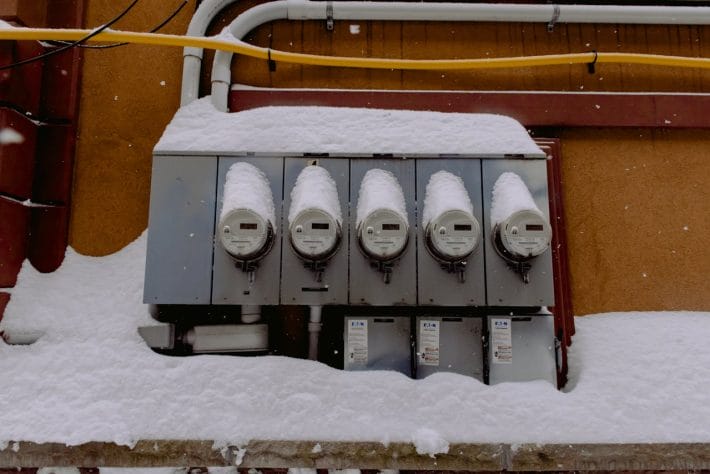
February is traditionally the coldest month of the year, but in 2026, the shock arriving in your mailbox has less to do with the thermometer and more to do with the rate card. Utilities across the country have implemented mid-winter rate adjustments that took effect on January 1st, meaning your February bill is the first to reflect these higher prices for a full billing cycle. Combined with a polar vortex that pushed demand to record highs, these new “Grid Modernization” riders and fuel surcharges are creating a “February Freeze” on household budgets. For many seniors, the cost to keep a home at a safe 68 degrees has jumped by 15% to 20% compared to last year. Understanding the specific line items driving this increase is the first step to contesting them or finding assistance.
The “Fuel Recovery” Lag
While wholesale natural gas prices have fluctuated, utilities are currently collecting on the “lag” from previous spikes. In 2026, many public utility commissions approved “Fuel Recovery” surcharges that allow companies to recoup losses from 2025, adding a flat fee to every therm of gas you burn. This means you are effectively paying for last year’s energy crisis today, regardless of the current spot price of gas. This surcharge often appears as a small decimal on the bill but adds $30 to $50 to the total for a drafty home. It is a debt payment disguised as a usage fee.
The “Grid Mod” Rider
As the electrical grid strains under the load of EVs and data centers, utilities are passing the cost of infrastructure upgrades directly to consumers. A new line item, often labeled “Grid Resiliency” or “Distribution Improvement,” has appeared on February bills in many states. This fixed monthly fee—sometimes as high as $25—is mandatory and cannot be lowered by turning off the lights. It effectively penalizes low-usage households (like seniors living alone) by raising the “floor” of the monthly bill. You are paying for the poles and wires, not just the electrons.
The “Weather Normalization” Adjustment
If you live in a region that had a surprisingly mild January, do not expect a lower bill. Many gas companies now use a Weather Normalization Adjustment (WNA), which allows them to add a surcharge if the weather is warmer than average to guarantee their revenue targets. Conversely, if it is colder, they rarely offer a credit that matches the extra usage costs. This mechanism ensures the utility’s profit margin is immune to climate variability, shifting the financial risk entirely to you. You lose if it’s cold (high usage) and you lose if it’s warm (WNA surcharge).
The “Time-of-Use” Trap
February is when many “Time-of-Use” (TOU) pilot programs become mandatory. If you are washing clothes or running the dishwasher between 4 PM and 9 PM, you may be paying a “peak” rate that is triple the standard cost. In 2026, the spread between peak and off-peak rates has widened significantly to discourage grid strain during winter evenings. A senior who runs a space heater during these hours can inadvertently double their daily electricity cost. You must check your bill to see if you have been auto-enrolled in a TOU plan.
Help Is Available (LIHEAP)
If your February bill exceeds your ability to pay, do not wait for a disconnect notice to start the application process. The Low Income Home Energy Assistance Program (LIHEAP) has received allocated funding for 2026 to assist seniors specifically with these winter surges. Eligibility is typically based on your income relative to the federal poverty level, and you can locate your local application site using the near me tool. Many states also offer specialized crisis grants that can be processed within 48 hours if you are in danger of running out of fuel or facing an immediate shut-off. Securing these funds now not only pays the current bill but often provides a credit that protects you against future rate hikes.
Did your gas bill jump this month despite a mild winter? Leave a comment below—tell us the amount of your “WNA” fee!
You May Also Like…
- The Winter Utility Surge: 6 Charges That Aren’t Usage (But Still Hit Your Bill)
- 8 Utility Billing Changes That Are Raising Costs for Older
- 6 Utility Charges Seniors in Florida Say Appeared Without Warning
- Why More Cities Are Expanding Senior Utility Protections This Winter
- Why Utility Companies Offer Bill Credits Few Customers Ever Claim

Teri Monroe started her career in communications working for local government and nonprofits. Today, she is a freelance finance and lifestyle writer and small business owner. In her spare time, she loves golfing with her husband, taking her dog Milo on long walks, and playing pickleball with friends.
Read More


It’s easy to blame your soaring energy bill on weather, rates, or square footage, but…

When your paycheck isn’t growing anymore, small monthly increases stop feeling “small” fast. Utility bills…
Most people glance at the total on a utility bill, wince, and pay it. The…

Utility bills are one of the most consistent expenses retirees face, and they often rise…

Utility bill credits can feel like a lifesaver for seniors living on fixed incomes—but when…

Every month, millions of seniors pay full price for electricity, water, gas, and internet—without realizing…
Comments