When a household appliance breaks or a car starts making a strange noise, the natural instinct is to wait. We tell ourselves we are “saving money” by delaying the expense until next month. In 2026, this logic is financially fatal. Due to ongoing supply chain constraints and strict new environmental regulations, the gap between a “minor repair” and a “total replacement” has widened into a chasm.
A $200 part that is backordered for three weeks can lead to a catastrophic system failure that costs $8,000. This is the “Multiplier Effect” of deferred maintenance. In the current economic climate, waiting doesn’t just delay the bill; it compounds it. Here are five specific repair delays that turn manageable problems into financial disasters.
1. The HVAC “Rattle” and the 2026 Refrigerant Cliff
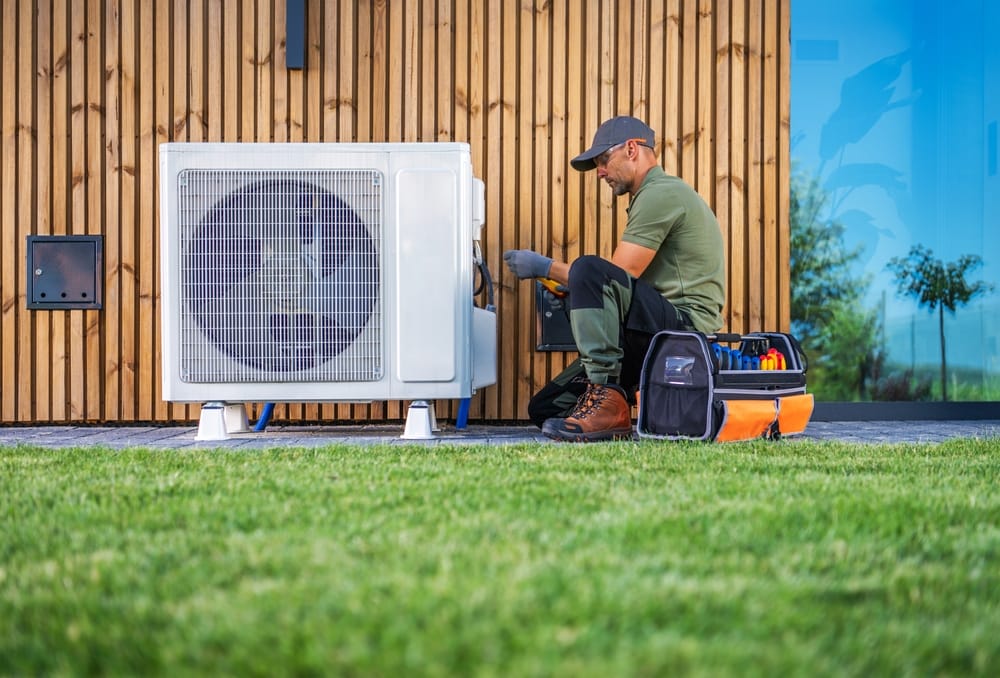
If your air conditioner or heat pump is making a rattling noise or struggling to cool, you might be tempted to limp it through the season. Do not do this. As of January 1, 2026, new EPA regulations strictly limit the use of older refrigerants like R-410A in favor of new, mildly flammable A2L refrigerants.
If you fix a minor leak now, you can likely keep your existing system running. However, if you ignore it until the compressor burns out, you cannot simply buy a new compressor for your old unit. You may be forced to replace the entire system—indoor and outdoor units—to be compatible with the new 2026 refrigerant standards. A $300 capacitor repair ignored today becomes a $12,000 system replacement tomorrow.
2. The “Check Engine” Light Cascade
Modern cars are finely tuned ecosystems. A flashing “Check Engine” light often signals a simple misfire caused by a bad spark plug or ignition coil—a repair that might cost $200. If you ignore it and keep driving, that unburnt fuel is dumped into your catalytic converter.
In 2026, replacement catalytic converters remain incredibly expensive due to precious metal scarcity, often costing over $2,500. By delaying the cheap repair, you destroy the expensive component. Furthermore, with auto parts supply chains still recovering, waiting for a converter could leave your car in the shop for weeks, forcing you to pay for a rental car on top of the repair bill.
3. The Water Heater “Weep”
Water heaters rarely burst without warning; they usually “weep” first. You might see a small puddle of water in the drain pan or a bit of rust at the base. This is the tank signaling that its internal lining has been compromised.
If you replace the unit now, it is a standard $1,500 plumb-and-play job. If you wait until the bottom falls out while you are at work, you are facing a $15,000 claim for water mitigation. In 2026, mold remediation costs have surged to an average of $2,300 for even small areas. The water heater is the ticking time bomb of the house; never ignore the weep.
4. The Missing Shingle
After a windstorm, it is easy to ignore one or two missing shingles, especially if you don’t see a leak on your ceiling yet. However, the roof protects the plywood decking underneath. Once that decking gets wet, it begins to rot.
If you catch it early, a roofer can slide in a new shingle for $300. If you wait six months, the rot spreads, and the roofer can no longer just nail a shingle down—there is nothing solid to nail into. They have to tear off the shingles and replace the structural plywood sheets. This turns a “patch job” into a “partial replacement,” often tripling the labor cost.
5. The “Scratching” in the Walls
Hearing a mouse in the wall is gross, but many homeowners delay calling an exterminator until they see one in the kitchen. In 2026, this delay is perilous because modern home wiring (often coated in soy-based insulation) is delicious to rodents.
A $300 visit from pest control can solve the problem early. If you wait until the mice chew through a wire, you risk an electrical fire or a “rewire” job that requires opening up your drywall. Electrical fire repairs are among the most expensive home insurance claims. The mouse isn’t just a nuisance; it is an electrician working in reverse.
Stop The Bleeding
The most expensive tool in your garage is procrastination. If you see a warning light, a drip, or a missing shingle, act immediately. In 2026, the “wait and see” approach is a luxury you cannot afford.
Did a small leak turn into a mold nightmare for you? Leave a comment below—tell us the final bill!
You May Also Like…
- Los Angeles Seniors Are Receiving “Emergency Maintenance Surcharges”
- The Local Grant That Could Cover Your Property Maintenance Costs
- What You Should Know About Paying for Lawn Maintenance
- How to Save Money on Exterior Home Maintenance This Spring
- 8 Costly Winter Maintenance Errors Older Adults Should Avoid

Teri Monroe started her career in communications working for local government and nonprofits. Today, she is a freelance finance and lifestyle writer and small business owner. In her spare time, she loves golfing with her husband, taking her dog Milo on long walks, and playing pickleball with friends.
Read More


Christmas shopping is starting earlier. Meanwhile, women are finding it tougher to get back to…

I like finding the hidden costs in personal finances. Hidden costs are those costs that…

It's clear that it's going to be an expensive winter keeping your house warm. But…

Homeownership is a rewarding experience. It's a place to make memories, entertain friends and family,…


Car maintenance is necessary. It is something that every car owner must deal with. Saving…

Regular maintenance is effective in protecting the structural integrity of your home. While some maintenance…
Comments