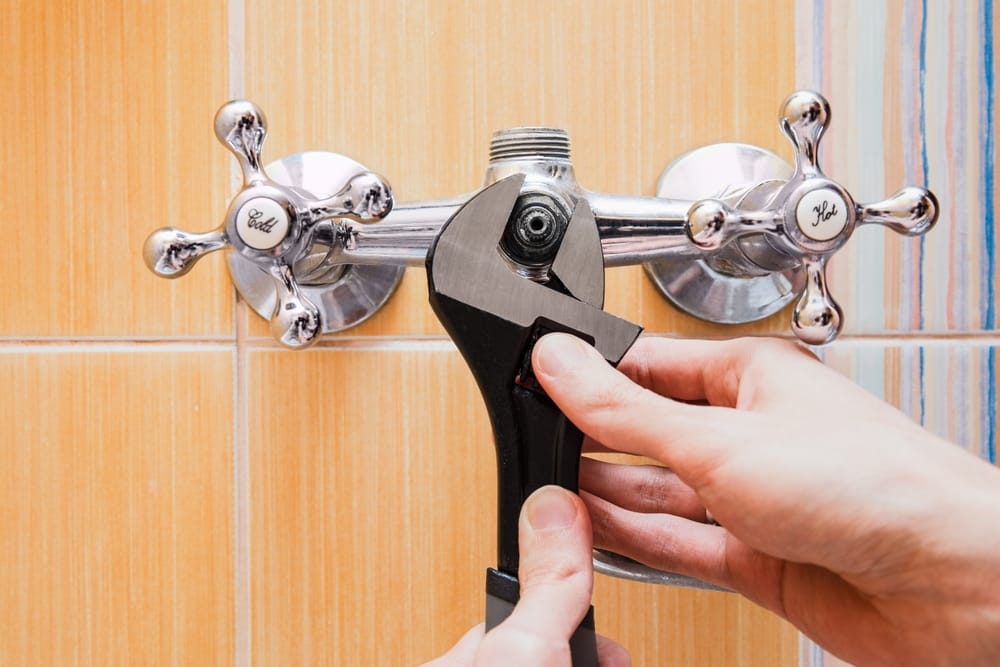
When we plan for retirement, we budget for the mortgage, taxes, and groceries. We rarely budget for the slow, silent degradation of the home itself. A house is a living machine that becomes less efficient every single day it ages. In 2026, the cost of materials and labor has made these small inefficiencies incredibly expensive.
You might think you are being frugal, but your home could be bleeding money through invisible cracks. These are not catastrophic failures like a burst pipe; they are slow drips that add up to thousands of dollars over a year. Identifying and plugging these leaks is the fastest way to stabilize your monthly cash flow. Here are six household charges that are draining your savings right now.
The “Phantom” Water Leak
A dripping faucet is annoying, but a silent toilet leak is a financial disaster. A worn-out flapper valve can waste 200 gallons of water a day without making a sound. According to the EPA WaterSense program, a running toilet can cost you hundreds of dollars a year in wasted utilities.
In many municipalities, water rates have hiked significantly this year. A running toilet is literally flushing your retirement income down the drain 24 hours a day. Put a few drops of food coloring in your toilet tank; if the color appears in the bowl without flushing, you have a leak.
The “Vampire” Appliance Load
Modern appliances are never truly “off.” Your smart TV, microwave, and computer are constantly sipping power to maintain their “instant on” features. This “vampire load” can account for up to 10% of your total electricity bill, costing the average household over $100 annually.
With energy rates rising in 2026, that 10% is a much larger dollar amount than it used to be. You are paying for convenience you aren’t using while you sleep. Using smart power strips to cut power fully to these devices is a simple fix.
The Sediment-Filled Water Heater
If you haven’t flushed your water heater in a year, you are paying to heat rocks. Minerals from your water supply settle at the bottom of the tank, creating a thick layer of sediment. Your burner has to heat through this layer of rock before it can heat the water.
This makes the unit run longer and work harder for every shower. It drives up your gas or electric bill steadily month after month. Draining a few gallons from the tank valve annually is a free maintenance task that restores efficiency.
The Pest Control “Auto-Renewal”
Many seniors sign up for quarterly pest control services and forget about them. The technician comes, sprays the perimeter, and leaves a bill for $125. Over a year, this is a $500 expense.
Ask yourself if you actually have a pest problem right now. Often, you are paying for “preventative” spraying that does very little. You can buy a gallon of professional-grade perimeter spray for $20 at a hardware store and do it yourself in ten minutes.
The Security Monitoring Inflation
You might be paying $50 a month for a security system you installed ten years ago. Legacy contracts often have annual price escalators built in. Meanwhile, modern DIY systems offer professional monitoring for $15 a month or less in 2026.
You are paying a “loyalty tax” for sticking with an old provider. The service hasn’t improved, but the price has doubled. Call your provider and demand they match current market rates or switch to a cheaper modern alternative.
The Dirty HVAC Filter Tax
A clogged air filter restricts airflow to your furnace and air conditioner. This forces the blower motor to work twice as hard to push air through the house. Energy Star data confirms that replacing a dirty filter can lower your air conditioner’s energy consumption by 5% to 15%.
Replacing a $10 filter can save you $20 a month in electricity during peak season. It is the cheapest insurance policy you can buy for your home’s most expensive appliance.
Seal the Leaks
You cannot afford to be passive about home maintenance in retirement. Every dollar you stop from leaking out of your house is a dollar that stays in your savings account. Take a walk through your home today and look for these silent drains.
Did you find a running toilet after reading this? Leave a comment below—tell us how much your water bill dropped!
You May Also Like…
- Why So Many Seniors See Lower Internet Bills After the New Year
- 5 Tips for Saving Money on Your Own Well-Being
- 8 Ways to Prepare for Mid-Winter Home Repairs on a Tight Retirement Budget
- 6 Budgeting Tricks That Save More Than Cutting Out Coffee
- Groceries, Gas, and Inflation: How Food Prices Quietly Wreck Fixed-Income Budgets

Teri Monroe started her career in communications working for local government and nonprofits. Today, she is a freelance finance and lifestyle writer and small business owner. In her spare time, she loves golfing with her husband, taking her dog Milo on long walks, and playing pickleball with friends.
Read More

It’s a hard time to look for work in America, and many Americans are looking.…

Just a few short years ago, I was thrilled to start investing in online savings…

If you're looking for a great way to start saving money right now that will…

When it comes to owning a home, sometimes it's hard to look past the initial…

When I was younger, I was a figure skater. To get the rust off of…

We never really value our health until it fails us. And then we find out…
Comments