For decades, the term “elective surgery” simply meant a procedure that could be scheduled in advance rather than an emergency that required an ambulance. It was a scheduling distinction, not a financial one, and it included vital surgeries like joint replacements and cataract removals that improved a patient’s quality of life. However, in the cost-containment landscape of 2026, insurance companies have weaponized this definition to deny coverage for procedures that doctors deem medically necessary. By reclassifying functional repairs as “cosmetic” or “lifestyle enhancements,” payers are shifting the full financial burden onto patients who are often in significant pain.
This semantic shift allows insurers to bypass the protections of the Affordable Care Act by claiming these services fall outside the scope of “Essential Health Benefits.” Patients who have paid their premiums for years are shocked to find that the surgery to fix their vision or their ability to walk is now viewed by their plan as a luxury purchase comparable to a facelift. If you are planning a surgery this year, you need to be aware of the strict new “medical necessity” criteria that might block your path. Here are seven medical services considered elective in 2026 that were standard coverage just a few years ago.
1. Upper Eyelid Lifts (Blepharoplasty)
As we age, the skin of the upper eyelid can droop significantly, sometimes hanging so low that it physically obstructs a senior’s vision and makes driving dangerous. In previous years, a simple “visual field test” showing a 30% obstruction was enough to get Medicare or private insurance to cover the repair.
In 2026, the criteria have tightened dramatically, with insurers often requiring a 50% or greater obstruction that is uncorrectable by tape or other non-surgical means. According to American Academy of Ophthalmology advocacy alerts, claims for functional blepharoplasty are now denied at a rate of nearly 40% on the first submission. Insurers are increasingly categorizing this as a “cosmetic youth-enhancing procedure” regardless of the patient’s visual complaints, forcing seniors to pay the average $5,000 cost out-of-pocket to see the road clearly again.
2. Varicose Vein Ablation
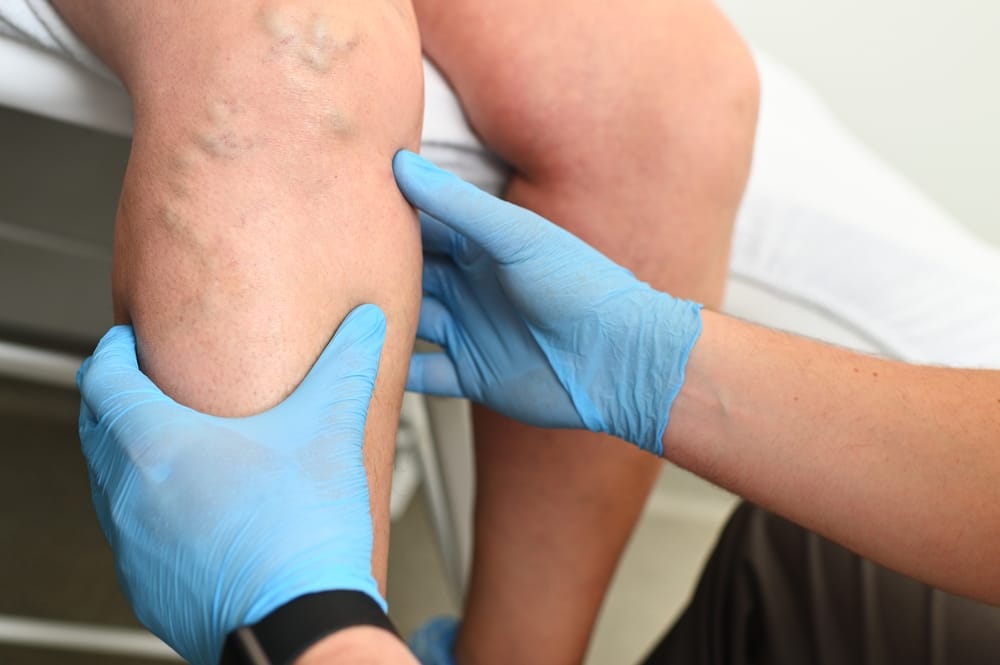
Varicose veins are often dismissed as a vanity issue, but for millions of Americans, they cause severe leg heaviness, swelling, and painful ulcers that make working on one’s feet impossible. Historically, showing “venous reflux” (backward blood flow) on an ultrasound was sufficient to authorize laser ablation treatment.
Now, almost every major payer has instituted a mandatory “Conservative Therapy” period of six to twelve months before they will even consider surgery. Patients must prove they have worn prescription-grade compression stockings every day for half a year—and documented that they failed to provide relief—before the surgery is upgraded from “cosmetic” to “medically necessary.” If you skip the stockings or lose the receipts proving you bought them, the $3,000 per leg procedure is considered strictly elective.
3. Skin Removal After Weight Loss (Panniculectomy)
With the explosion of GLP-1 weight loss drugs, millions of Americans have lost massive amounts of weight rapidly, leading to excess skin that can cause severe infections and mobility issues. Insurers have responded to this wave of potential claims by creating nearly impossible barriers for coverage of a panniculectomy (removing the hanging skin apron).
A 2026 review of plastic surgery coverage policies indicates that patients must now provide photos of “intractable rashes” that have persisted for three months despite prescription antifungal treatment. Without this graphic and continuous documentation of skin breakdown, the insurer classifies the surgery as “body contouring,” which is a contract exclusion in almost every health plan, leaving the patient to pay $10,000 to $15,000 for relief.
4. Deviated Septum Repair (Septoplasty)
Many people are born with or develop a crooked nasal septum that blocks airflow, leading to chronic sinus infections and sleep disruption. In 2026, insurers are conflating functional septoplasty with cosmetic rhinoplasty (nose jobs) to deny claims. The new standard for “medical necessity” often requires the patient to prove they have severe Obstructive Sleep Apnea (OSA) and have failed CPAP therapy before the surgery is approved.
Simply saying “I can’t breathe through my left nostril” is no longer enough to trigger coverage. Unless you can produce a failed sleep study and a year of documented steroid spray use, the insurer will likely tag the surgery as “elective nasal reshaping” and deny the $6,000 claim.
5. Arthroscopic “Clean-Up” Knee Surgery
For decades, if a patient had a torn meniscus and knee pain, the doctor would go in with a scope to “clean up” the joint. In 2026, the medical consensus—and insurance policy—has shifted to view this as largely ineffective for arthritis patients.
Unless there is a “mechanical block” (where the knee physically locks up), insurers now classify arthroscopic debridement as an “elective” procedure with low value. They effectively mandate six weeks of physical therapy and cortisone injections as the primary treatment. If you want the surgery without jumping through these hoops, you will likely have to pay the facility fee and surgeon’s fee yourself, as the payer views it as a placebo procedure for aging knees.
6. Bariatric Revision Surgery
While initial weight loss surgery is widely covered, “Revision Surgery”—fixing or altering the stomach years later due to weight regain or complications—is facing a coverage cliff. Insurers in 2026 are increasingly classifying revisions as “elective behavior modification” rather than medical error correction.
They argue that if the patient gained weight back, it is a failure of lifestyle, not the device, and therefore a second surgery is not medically necessary. This leaves patients with severe acid reflux or mechanical issues from old lap bands facing a $20,000 bill to fix a problem that was originally covered by insurance, simply because the revision code is flagged as “investigational” or “lifestyle-based.”
7. “Early” Cataract Surgery
Cataract surgery remains the most common procedure in Medicare, but the definition of when you can have it has moved. Previously, if glare bothered you while driving at night, you could qualify for surgery. In 2026, Medicare Advantage plans and commercial insurers are strictly enforcing a “20/40 or worse” vision acuity rule or specific “Activities of Daily Living” (ADL) impairment scores.
If your vision is 20/30 but you suffer from terrible glare, the surgery is considered “Refractive Lens Exchange”—an elective vision correction similar to LASIK. This forces patients to wait until their vision deteriorates significantly before the “medical necessity” switch flips, or pay $4,000 per eye to have the procedure done while they can still function.
The “Conservative Therapy” Trap
The common thread connecting these reclassifications is the requirement for “Conservative Therapy.” In 2026, your insurance company wants you to try the cheap fix—stockings, nasal sprays, eye drops, or physical therapy—for months before they agree to the expensive fix. The “elective” label is often temporary; you can peel it off, but only if you play their documentation game perfectly. Before booking any procedure that improves your quality of life, ask your surgeon’s coordinator specifically: “What conservative therapy documentation does my plan require to prove this isn’t elective?”
Have you been told your medically necessary surgery is “cosmetic” or “elective” this year? Leave a comment below—your experience helps others fight these denials!
You May Also Like…
- 5 of the Cheapest Prescription Drugs in America — and How Patients Are Still Overpaying for Them
- 6 Outpatient Services With New Cost-Sharing Rules
- The “WISeR” Gatekeeper: 6 States Where AI Now Decides If Your Medicare Surgery Is ‘Necessary’
- When Cravings for Normalcy Become Risky After Surgery
- Hidden Surgery Costs Seniors Never See Until It’s Too Late

Teri Monroe started her career in communications working for local government and nonprofits. Today, she is a freelance finance and lifestyle writer and small business owner. In her spare time, she loves golfing with her husband, taking her dog Milo on long walks, and playing pickleball with friends.
Read More


You may not notice it when checking your bank account once or twice a month,…

You don’t need to be uninsured to be financially blindsided by a hospital visit. Across…

For decades, we’ve been told that certain frugal habits are smart ways to stretch a…

These days, fewer people paying for cable and satellite services. Instead, more people are turning…

Medicare is often seen as a safety net—a promise that when we reach 65, our…

Surgery is stressful enough—then the bills start rolling in. Even with insurance, unexpected charges, duplicate…
Comments