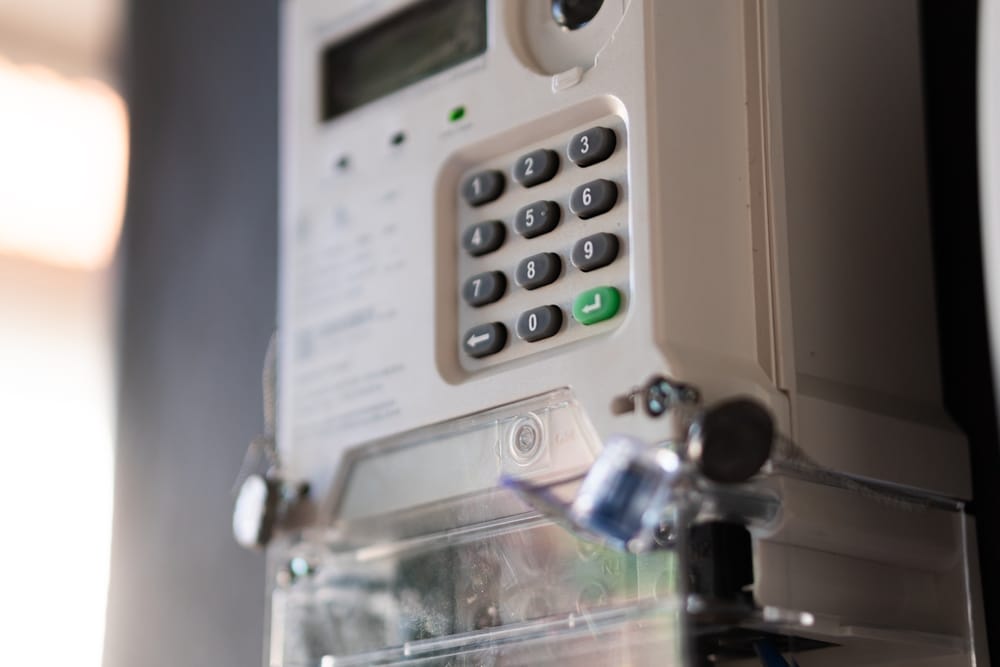
For decades, the humming disc of an analog utility meter was a symbol of “set-it-and-forget-it” reliability. However, as we move through 2026, those spinning dials have become a target for utility companies eager to transition every household to a digital “smart” meter. If you’ve resisted this upgrade due to privacy concerns or health worries, you’ve likely noticed a jarring new line item on your bill: the analog meter penalty fee.
These charges are not for the electricity you use, but for the “privilege” of keeping your old technology. Utility providers argue that manual meter reading is an expensive, antiquated relic that requires a human being to drive to your home—a cost they are no longer willing to subsidize. For many seniors on a fixed income, this “opt-out” penalty has turned a modest electric bill into a monthly financial burden that feels more like a fine than a service fee.
1. The $75 “Setup” and $34 Monthly Hit
In 2026, the cost of saying “no” to a smart meter has reached a new high. Major providers like Eversource have implemented a one-time “exchange fee” of roughly $42 to $75 just to install or keep a non-communicating meter. Once that hurdle is cleared, you are hit with a recurring monthly “manual reading fee” that often ranges from $26 to $34.
These fees are designed to cover the labor, fuel, and vehicle maintenance required for a technician to physically visit your property. According to National Grid’s latest 2026 schedule, even if you offer to call in your own meter readings, the fee remains mandatory. This “double-billing” structure means that an analog user could pay an extra $400 a year just to avoid a digital upgrade, a cost that many call a “digital tax” on privacy.
2. The Infrastructure Modernization Fee (IMF)
Even if you accept the smart meter, your bill isn’t safe from the 2026 “technology surge.” Millions of seniors are reporting a new Infrastructure Modernization Fee (IMF) on their first statements of the year. This is a fixed “stealth tax” ranging from $15 to $45 per month used to fund the massive multi-billion-dollar overhaul of the aging power grid.
As reported by SavingAdvice.com, this fee remains the same whether you use a lot of power or none at all. Utility companies in states like Missouri, Pennsylvania, and California are using the IMF to pay for the hardware and the specialized “quants” hired to manage the grid’s data. For a senior who previously lowered their bill through conservation, these fixed fees are a direct threat to their monthly grocery budget.
3. The “36-Month Rule” in California
California has often led the way in utility policy, and 2026 brings a unique “sunset” rule for opt-out fees. Under PG&E’s SmartMeter™ program, residential customers pay a $75 setup fee and $10 a month to keep their analog meter. However, after 36 consecutive months of payments, the monthly charge is automatically discontinued.
This “36-Month Rule” acknowledges that the cost of manual reading should eventually be factored into the general rate base rather than being an indefinite penalty on the individual. If you’ve been paying an opt-out fee since 2023, you should check your statement to ensure the charge has been removed. For those starting the opt-out process in 2026, this rule provides a light at the end of the tunnel, though it still requires a $360 total investment over three years.
4. Why Utilities Hate “Elasticity”
From an economic standpoint, utility companies are pushing smart meters because they want to eliminate “elasticity”—the ability of consumers to change their demand in response to prices. Smart meters enable Time-of-Use (TOU) pricing, which allows utilities to charge premium rates during peak afternoon hours. Analog meters cannot do this because they only record total consumption, not when that consumption occurred.
As noted by Electric Choice, the lack of dynamic pricing is estimated to cost the energy market $7 billion annually. By charging a heavy analog meter penalty fee, utilities are essentially incentivizing you to move to a system where they can charge you more for running your dishwasher at 2:00 PM. The “penalty” is a tool to push you toward a billing structure that benefits the grid’s stability but often increases your personal costs.
5. The “Spy Meter” Privacy Concerns
The label “spy meter” isn’t just hyperbole; it refers to the granular “interval data” that smart meters collect every 15 minutes. In 2026, this data is being used by auditors to prove residency in high-tax states or to verify if a home is truly occupied. A New York residency audit now routinely includes subpoenas for utility data to see if an electrical “heartbeat” matches the taxpayer’s travel logs.
For many, the $34 monthly penalty is a small price to pay to keep this level of digital surveillance out of their homes. Analog meters offer a “digital firewall,” ensuring that the utility company knows how much power you used, but not whether you were home watching TV or away on vacation. In 2026, the analog meter is one of the few remaining ways to keep your private household habits truly private.
6. Fighting Back with State Legislation
The good news is that the backlash against these fees is reaching state legislatures. In Massachusetts, Bill S.2135—titled “An Act Relative to Smart Meters”—aims to ensure residents can keep an electromechanical analog meter at no cost. If passed, it would prohibit utility companies from imposing any “disincentive” or fee on a ratepayer for refusing a wireless meter.
If you live in a state where these fees are still legal, your best defense is to join local consumer advocacy groups that are lobbying for “No-Fee Opt-Out” rights. In the meantime, check if your utility offers a “Low Income” or “Senior Citizen” waiver for the opt-out charges. Some providers, like Roseville Electric, will cut the setup and monthly fees by 50% for those who qualify, taking some of the sting out of the analog penalty.
The Price of Privacy
The 2026 utility landscape has made it clear that privacy is no longer free. Whether you are paying the $34 monthly analog meter penalty fee or the $45 “Infrastructure Modernization Fee,” the cost of keeping the lights on is rising. To survive these hikes, you must be a “financial detective”—reading the fine print of your utility statement and claiming every available senior discount. By staying informed about your state’s opt-out laws, you can ensure that your choice of technology doesn’t result in a financial “blackout” for your retirement budget.
Has your utility company started charging you an “opt-out” fee, or have you noticed a new “Modernization Fee” on your 2026 bill? Leave a comment below and share how you’re fighting back against these rising utility costs!
You May Also Like…
- The “Smart Meter” Audit: How New York is Using Your Utility Data to Prove You Aren’t Living in Florida
- Are Smart Meters Being Used for Tax Assessments? What 2026 Homeowners Should Know
- The $45 Stealth Tax: Why Your New ‘Smart Meter’ is Raising Your Electric Bill This Week
- New Utility Meter Installations Are Causing Billing Errors for Seniors
- Utility Shutoff Policies Are Changing in Several Midwestern States

Teri Monroe started her career in communications working for local government and nonprofits. Today, she is a freelance finance and lifestyle writer and small business owner. In her spare time, she loves golfing with her husband, taking her dog Milo on long walks, and playing pickleball with friends.
Read More


If you are one of the thousands of New Yorkers who officially "moved" to Florida…

It’s easy to blame your soaring energy bill on weather, rates, or square footage, but…

Utility bills are one of the most consistent expenses retirees face, and they often rise…

Utility bill credits can feel like a lifesaver for seniors living on fixed incomes—but when…

Every month, millions of seniors pay full price for electricity, water, gas, and internet—without realizing…

Retiring in Arizona means plenty of sunshine—but also sky-high utility bills once summer hits. For…
Comments