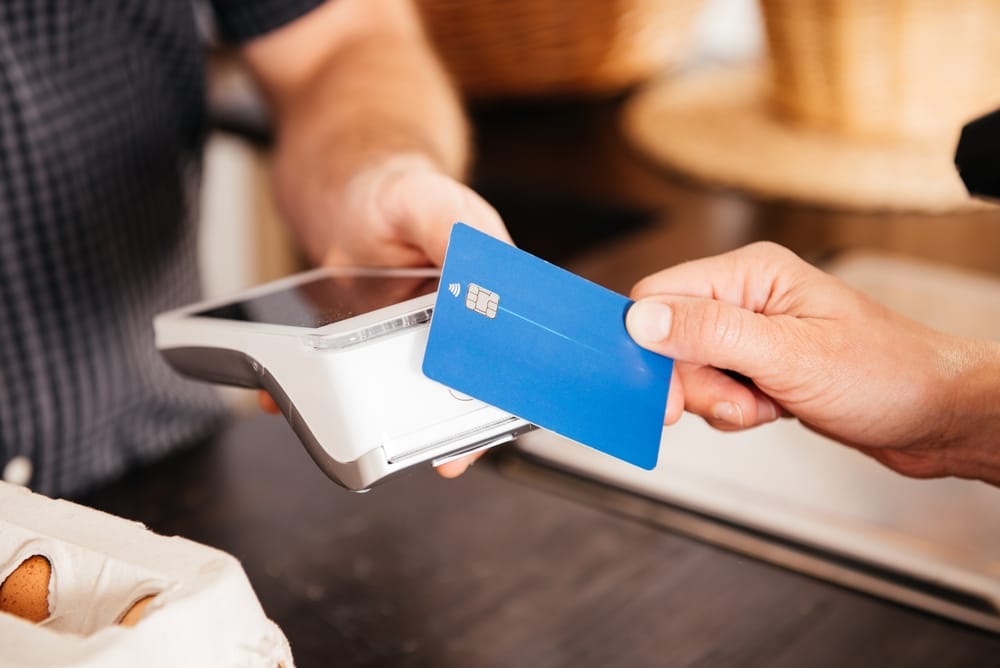
Most consumers view their monthly bank statement as a simple list of transactions and balances. However, behind the scenes, modern financial institutions are using sophisticated algorithms to sort your transaction history into specific spending categories for analysis. This process happens automatically every time you swipe your debit card or complete an online purchase. While the primary goal is often marketed as a tool for consumer convenience, it also provides banks with a detailed psychological profile of your lifestyle. Understanding how this data is collected is the first step in reclaiming control over your financial privacy.
The Role of Merchant Category Codes
At the heart of this tracking system are Merchant Category Codes, or MCCs, which are four-digit numbers assigned to every business that accepts card payments. These codes allow your bank to instantly identify whether you are spending money at a grocery store, a gas station, or a luxury boutique. By aggregating these codes, banks can place your transactions into broader spending categories like “entertainment” or “healthcare” without needing a manual review. This system was originally designed for tax reporting but has evolved into a powerful data-mining tool. It is the reason your banking app can show you a colorful pie chart of your monthly expenses with no effort on your part.
How Banks Use Your Behavioral Data
Banks leverage the information gathered from these spending categories to tailor their marketing efforts and offer personalized financial products. If your data shows a high frequency of travel-related purchases, you may suddenly see more advertisements for premium credit cards with airline perks. This level of insight allows banks to predict your future needs before you even realize you have them. While some appreciate the customized experience, others find the granular level of surveillance to be an intrusion into their private lives. According to the Federal Trade Commission, financial institutions must provide clear disclosures about their data-sharing practices, though many consumers rarely read the fine print.
Privacy Concerns and Data Monetization
There is a growing debate regarding whether banks should be allowed to monetize the insights gained from tracking your spending categories through third-party partnerships. While the law prohibits the sharing of your actual Social Security number, “anonymized” spending data is often shared with affiliates and marketing firms. This data can be used to build a “lookalike” profile that advertisers use to target you across various digital platforms. Even if your name isn’t attached, the patterns of your daily life are unique enough to be highly valuable to brokers. The Consumer Financial Protection Bureau continues to monitor how these practices impact consumer privacy in an increasingly digital economy.
Using Tracking Tools to Your Advantage
Despite the privacy implications, many consumers are beginning to use the bank’s own tracking of spending categories to improve their personal budgeting. Most major banking apps now offer “spend analysis” dashboards that highlight where your money is leaking each month. By reviewing these categories regularly, you can identify subscription services you forgot to cancel or dining habits that are draining your savings. This transparency can be a powerful motivator for those looking to reach specific financial goals like buying a home or retiring early. Many institutions, such as J.P. Morgan Chase, now offer these insights as a standard feature of their mobile banking experience.
The Right to Opt Out of Data Sharing
Many Americans are unaware that they have a legal right to limit how their bank shares the information gathered from their spending categories. Under the Gramm-Leach-Bliley Act, you can “opt out” of certain types of data sharing with non-affiliated third parties. You can typically find these settings within your online banking profile or by calling the customer service number on the back of your card. Taking this step won’t stop the bank from tracking your data internally, but it can significantly reduce the amount of information sold to external marketers. It is a simple move that can help protect your digital footprint from becoming a commodity for advertisers.
Protecting Your Privacy in a Digital World
In an era where every transaction leaves a digital trail, total privacy is becoming an increasingly difficult goal to achieve. If you are particularly concerned about the tracking of your spending categories, you might consider using cash for more sensitive or personal purchases. Cash remains the only truly anonymous way to conduct business without a third-party intermediary recording the details. However, for those who prefer the convenience of digital payments, staying informed about bank policies is the best defense. Always review your privacy notices annually and stay updated on changes to the terms of your account.
Reclaiming the Power of Your Information
Your financial data is one of the most valuable assets you own, and you should treat it with the same care as your actual money. When you understand how your bank organizes your spending categories, you can make more intentional choices about where and how you spend. Knowledge is the ultimate tool for navigating a world where your habits are constantly being monitored and analyzed for profit. By being a proactive consumer, you can enjoy the benefits of modern banking technology without sacrificing your peace of mind. Your future financial health depends on your ability to manage both your money and your personal data effectively.
Do you find the spending charts in your banking app helpful for budgeting, or does the level of tracking make you uncomfortable? Leave a comment below and let us know your thoughts.
You May Also Like…
- 7 Personal Data Leaks That Could Hit Your Bank Account Next
- Banks Are Testing Monthly Fees on Once‑Free Services
- A Quiet Banking Rule Change Just Increased Some People’s APR
- Some Banks Are Requiring Seniors To Reconfirm Identity In Person
- Many Older Adults Are Seeing Account Access Issues With Online Banking

Teri Monroe started her career in communications working for local government and nonprofits. Today, she is a freelance finance and lifestyle writer and small business owner. In her spare time, she loves golfing with her husband, taking her dog Milo on long walks, and playing pickleball with friends.
Read More


You finally buy the shoes you’ve been eyeing for months or treat yourself to a…

Banks compete aggressively for new customers, often dangling cash bonuses for opening accounts. A few…

Over the past few months I've repeatedly seen that New Money Goals commercial. People share…

Throughout my time writing here for Saving Advice, I've frequently mentioned the relationship between psychology…

For decades, retirees were told to keep their savings safe in banks, FDIC-insured, easily accessible,…

Avoiding unnecessary fees is often critical for financial wellness. However, ensuring you aren’t hit with…
Comments