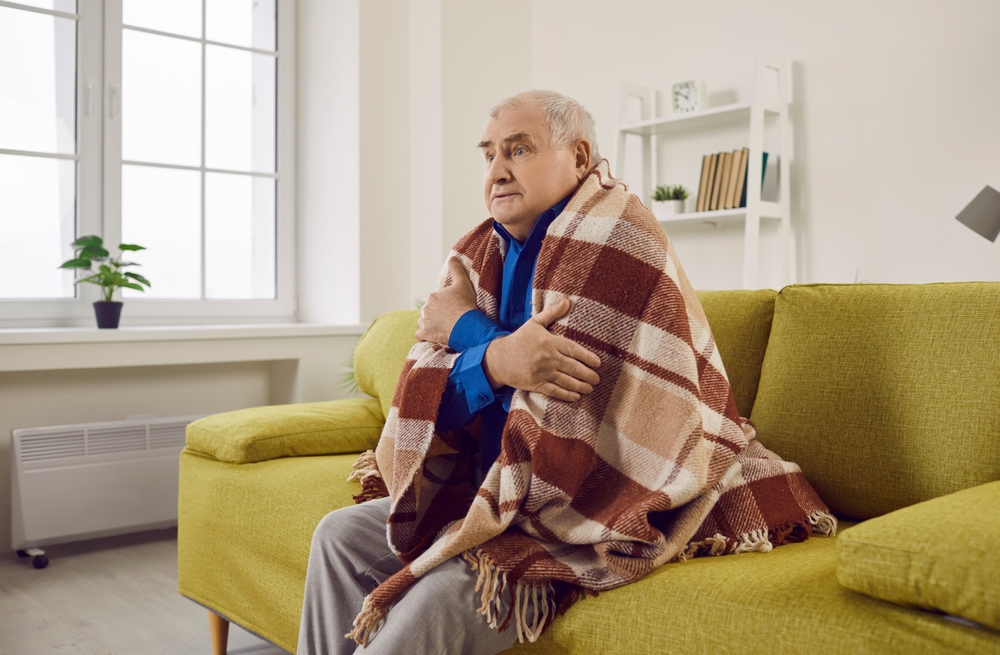
Many seniors live in homes that were built decades ago, often before modern safety standards were established. While these houses may hold cherished memories, they can also hide hazards that put older adults at risk. Outdated designs, worn materials, and aging infrastructure create conditions where accidents are more likely to occur. Falls, fires, and accessibility challenges are among the most common dangers that quietly threaten independence. Identifying and addressing these risks is essential for retirees who want to age in place safely. By making small but strategic upgrades, seniors can transform older homes into secure environments that protect both health and peace of mind.
1. Slippery Bathroom Floors
Bathrooms in older homes often feature glossy tile or worn linoleum that becomes dangerously slick when wet. Seniors are especially vulnerable to falls in these spaces, which can lead to broken hips or head injuries. Installing non‑slip mats, textured flooring, and grab bars reduces risk significantly. These upgrades are inexpensive compared to the medical costs of treating fall‑related injuries.
2. Poor Lighting in Hallways and Staircases
Homes built decades ago often rely on dim bulbs or single fixtures that leave hallways and staircases shadowed. For seniors with declining vision, this creates a serious hazard. Adding brighter bulbs, LED strips, or motion‑sensor lights improves visibility and prevents trips. The cost of upgrading lighting is minimal compared to hospital bills from falls.
3. Outdated Electrical Wiring
Older homes may still use wiring that cannot handle modern appliances or safety standards. Frayed cords, overloaded outlets, and outdated fuse boxes increase the risk of electrical fires. Seniors should have electricians inspect wiring and install ground‑fault circuit interrupters (GFCIs) in kitchens and bathrooms. Preventing electrical hazards protects both health and property.
4. Narrow Doorways and Tight Spaces
Homes designed decades ago often feature narrow doorways that restrict mobility for seniors using walkers or wheelchairs. Tight spaces increase the risk of bumps, falls, and strain. Remodeling to widen entryways or rearranging furniture improves accessibility. These changes also prepare homes for future needs, reducing the likelihood of relocation.
5. Loose Rugs and Worn Carpets
Decorative rugs and aging carpets may look charming, but they often conceal trip hazards. Seniors can easily stumble over curled edges or uneven surfaces. Securing rugs with non‑slip pads or removing them altogether eliminates risks. This simple fix prevents hospital visits and saves thousands in medical costs.
6. Steep or Unprotected Staircases
Staircases in older homes may lack sturdy railings or feature steep designs that challenge seniors. Falls on stairs are among the most dangerous accidents, often leading to broken bones or head trauma. Installing handrails, ramps, or stair lifts ensures safe navigation. These modifications provide independence and peace of mind.
7. Inefficient Heating and Cooling Systems
Outdated HVAC systems struggle to maintain consistent temperatures, exposing seniors to risks like hypothermia or heatstroke. Extreme temperatures can trigger medical emergencies, especially for those with chronic conditions. Upgrading heating and cooling systems ensures comfort and reduces health risks. Reliable climate control is both a health safeguard and a financial investment.
8. Fire and Carbon Monoxide Risks
Older homes often lack modern smoke detectors or carbon monoxide alarms. Seniors are at greater risk of dying in house fires or from invisible gas leaks. Installing updated detectors and checking batteries regularly is essential. These devices are inexpensive but lifesaving.
The Toll of Unsafe Homes
Living in a house filled with hidden hazards creates anxiety for seniors and their families. Fear of falling, fire, or medical emergencies can overshadow daily life. By addressing these risks, retirees gain confidence and independence. Emotional security is just as valuable as financial protection when aging in place.
Fixing hazards in older homes is not just about safety—it’s about preserving dignity and independence. Small upgrades like grab bars, lighting, and detectors prevent costly accidents and support long‑term well‑being. When prevention becomes protection, seniors can enjoy their homes without fear. Awareness and proactive planning transform outdated houses into safe havens for retirement.
Have you or a loved one faced safety challenges in an older home? Share your experience in the comments below.
You May Also Like…
- Why Some Home Modifications Backfire for Safety Instead of Helping
- The Free Home Safety Assessments That Prevent Costly Hospital Visits
- 5 Ways to Make Your Home Senior-Safe Without Major Renovations
- 7 Senior Living Trends in 2025 That Are Redefining “Retirement Home” — No More Bingo Halls Only
- The Quiet Cost of Fixing Your Home for Aging – You’ll Wish You Did It Sooner

Teri Monroe started her career in communications working for local government and nonprofits. Today, she is a freelance finance and lifestyle writer and small business owner. In her spare time, she loves golfing with her husband, taking her dog Milo on long walks, and playing pickleball with friends.
Read More


Dear Dave, My husband and I are in a bad situation, and we’re thinking about…

Stocks rallied today but were unable to recoup losses posted Friday which ended the…

Are you thinking of downsizing for retirement? If so, you're not alone. Many retirees choose…

Personally, I don't even own a first home, let alone a second home. There are…
With home prices skyrocketing across the country, it’s easy to feel like the dream of…
Older homes carry charm, history, and craftsmanship that modern builds often lack—but they also hide…
Comments