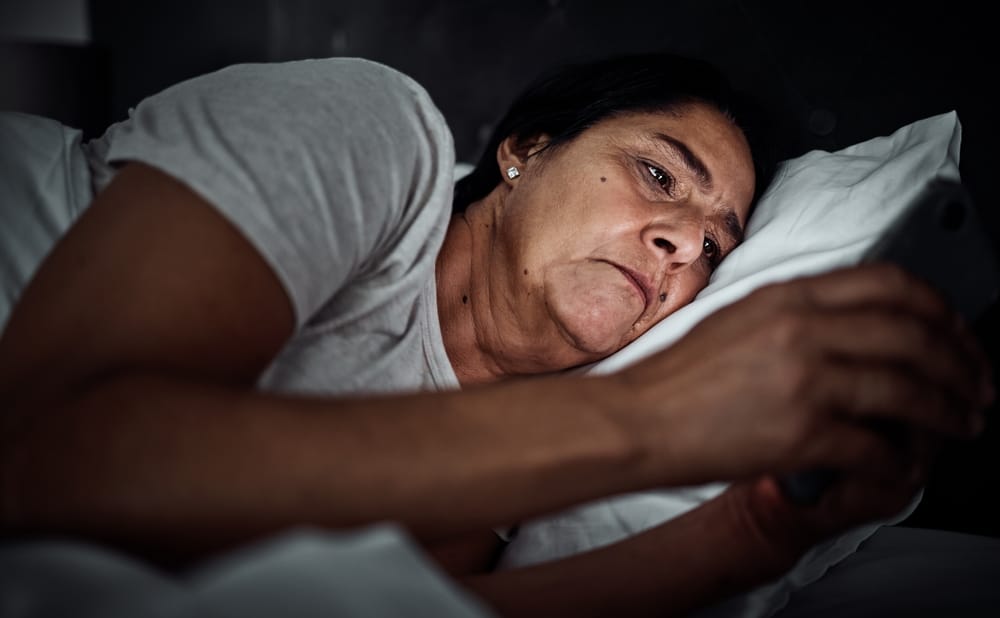
Sleep needs don’t disappear with age, but restful nights often do. Many adults over 60 notice that they fall asleep more slowly, wake up more often, or feel less refreshed in the morning. The National Institute on Aging (NIA) notes that many older adults experience chronic sleep difficulties. These issues can stem from medication side effects, lifestyle habits, or underlying health changes that affect natural sleep cycles. Fortunately, identifying the cause often leads to real relief. Here are eight sleep problems that tend to worsen with age—and practical ways to fix them.
1. Trouble Falling Asleep
Older adults often find it harder to fall asleep because the body produces less melatonin, the hormone that regulates sleep-wake cycles. Reduce evening screen time and maintain consistent bedtimes. Low-dose melatonin supplements can help but should be used under medical supervision. Dimming lights an hour before bed and avoiding caffeine after noon also improve natural drowsiness.
2. Frequent Nighttime Awakenings
Waking up several times a night becomes more common with age due to lighter sleep stages. The Sleep Foundation suggests keeping the bedroom temperature between 60–67°F and minimizing light and noise. Limiting evening fluids can also reduce bathroom trips that interrupt sleep. If frequent awakenings persist, talk to a doctor about possible conditions like sleep apnea or nocturia.
3. Early Morning Wake-Ups
Some seniors wake up earlier than desired and can’t fall back asleep. It’s a condition known as advanced sleep phase syndrome. The Cleveland Clinic advises using morning sunlight to reset circadian rhythms and avoiding bright lights at night. Brief afternoon naps can help make up for early rising without disrupting nighttime rest.
4. Pain-Related Insomnia
Arthritis, neuropathy, or back pain can make it difficult to stay asleep. The Johns Hopkins Medicine recommends choosing the right sleep position, using supportive pillows, and adjusting mattress firmness. Non-drug treatments like gentle yoga, heat therapy, or cognitive behavioral therapy for insomnia (CBT-I) can reduce discomfort and improve sleep quality.
5. Sleep Apnea and Breathing Issues
Sleep apnea—a condition where breathing repeatedly stops during sleep—affects an estimated 18 million Americans, many of them older adults. Untreated apnea increases the risk of heart disease and cognitive decline. CPAP machines, oral appliances, and weight management can dramatically improve breathing and restore deep sleep.
6. Restless Legs Syndrome (RLS)
This neurological condition causes uncomfortable sensations in the legs that worsen at night. Try to reduce caffeine, alcohol, and nicotine, which can trigger symptoms. Light stretching, warm baths, or iron supplements (if prescribed) may also help. For severe cases, medication can reduce nerve-related restlessness and restore nighttime calm.
7. Medication Side Effects
Certain prescriptions—such as diuretics, antidepressants, and beta blockers—can interfere with sleep patterns. The FDA advises discussing timing adjustments with your doctor instead of discontinuing drugs abruptly. Sometimes shifting a medication to morning or changing brands can improve nighttime rest. Never stop a prescribed medication without professional guidance.
8. Anxiety and Worry at Bedtime
Many retirees experience “mind racing” at night, especially when facing financial, family, or health concerns. The American Psychological Association (APA) recommends setting aside a “worry time” earlier in the evening to process thoughts before bed. Breathing exercises, journaling, and mindfulness techniques can quiet the mind. Avoid reading or watching stressful news before turning in.
Rest Restored: Sleeping Better After 60
Sleep changes are normal with age, but sleepless nights don’t have to be. With consistent habits, medical awareness, and a calming bedtime routine, most older adults can regain restful, restorative sleep. A few small adjustments can make a big difference in energy, focus, and overall well-being.
Do you struggle with any of these sleep problems? Share what’s worked for you in the comments—your routine might help someone else finally get a good night’s rest.
You May Also Like…
- The Thing About Sleep That Most Doctors Don’t Mention After Seventy
- Why Do The Most Successful People Sleep So Much?
- The 7 Types of Rest Your Brain Actually Needs—And Sleep Isn’t One of Them
- Why Skipping Physicals After 65 Is a Dangerous Gamble
- Are You Losing Out Because of Medicare Open Enrollment Mistakes?

Teri Monroe started her career in communications working for local government and nonprofits. Today, she is a freelance finance and lifestyle writer and small business owner. In her spare time, she loves golfing with her husband, taking her dog Milo on long walks, and playing pickleball with friends.
Read More


We obviously all know that we should try to save energy at home. After all,…

According to researchers from the University of Illinois, the more sleep a person gets, the…

Credit scores play a significant role in people’s financial lives. As a result, those without…

Time is the most valuable resource we have. Not wealth. Not people. Not knowledge. Not…

Car loans are easy to overlook in retirement budgets, but missing even one payment triggers…

Dealing with the loss of a loved one is challenging enough without the added stress…
Comments