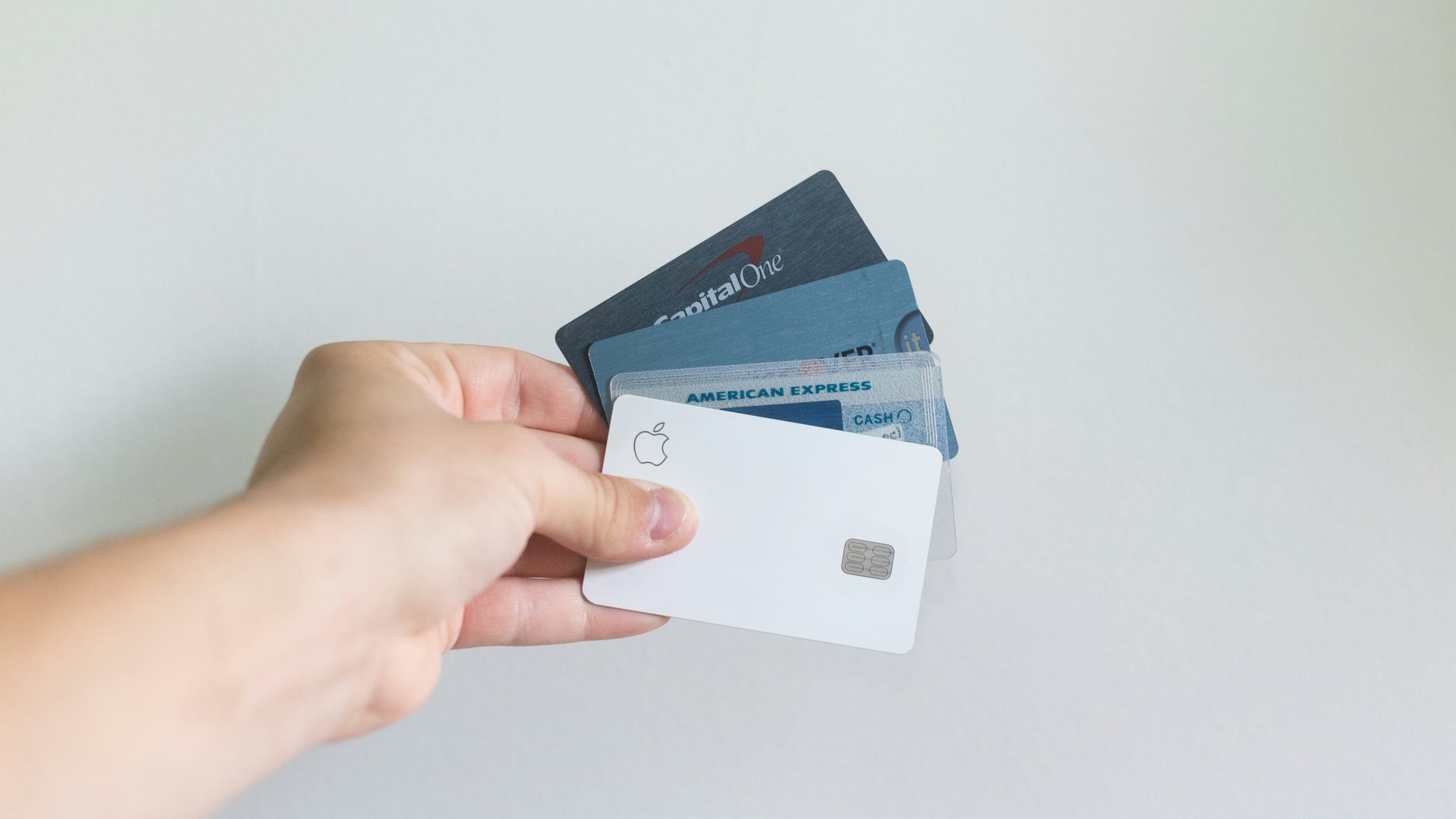
Credit cards can be useful financial tools, but they also have a dark side: sky-high interest rates that can quietly drain your bank account if you’re not careful. Once you start carrying a balance, even a small one, the amount you owe can snowball faster than you realize. The average credit card APR in the U.S. hovers just above 20%—and that number can be even higher depending on your credit score and card type.
If you’re looking to keep more of your money in your pocket and less in the hands of credit card companies, it’s crucial to know how to avoid paying those painful interest charges. Fortunately, with a little planning and a few smart habits, you can sidestep high rates and use credit cards to your advantage.
Here are seven effective strategies to avoid paying high interest rates on your credit cards and keep your financial life on track.
1. Always Pay Your Balance in Full
The simplest and most powerful way to avoid interest altogether is to pay your full balance every month. When you pay your entire statement balance by the due date, most credit cards offer a grace period, meaning you won’t be charged any interest at all. If you only pay the minimum or a partial amount, you’ll lose that grace period and start racking up interest immediately. Setting up automatic payments for the full amount can help you stay consistent and avoid accidental slip-ups.
2. Negotiate a Lower Interest Rate
It might feel intimidating, but calling your credit card issuer and asking for a lower rate can actually work. Especially if you have a good payment history, a solid credit score, or competing offers from other cards, your issuer might be willing to cut you a better deal to keep your business. It doesn’t hurt to ask. Even a small drop in your interest rate can save you hundreds over time.
3. Transfer Your Balance to a 0% APR Card
Balance transfer offers can be a lifesaver if you’re currently carrying a balance on a high-interest card. Many credit cards offer promotional periods of 0% interest for 12 to 18 months on balance transfers. This gives you breathing room to pay down your debt without additional interest piling up. Just be sure to read the fine print. There may be a balance transfer fee, and you’ll want a plan to pay off the balance before the promotional period ends.
4. Improve Your Credit Score
Your credit score plays a huge role in the interest rates you’re offered. A higher score generally means lower rates. Working to boost your credit by paying bills on time, reducing debt, and limiting new credit inquiries can pay off big time when it comes to negotiating better terms or qualifying for lower-interest cards. Even small improvements in your score can unlock better financial opportunities.

5. Use Personal Loans Strategically
If you’re struggling with high-interest credit card debt, a personal loan might offer a lower fixed rate and a clear payoff schedule. Consolidating your credit card balances into a personal loan can make payments more manageable and save you a significant amount in interest charges. It’s important, though, to shop around for the best loan terms and avoid running up new credit card balances after consolidating.
6. Make More Than One Payment Each Month
Interest is typically calculated on your average daily balance. If you make more than one payment a month, you can lower your average balance and reduce the amount of interest that accrues. This method, sometimes called “micropayments,” can also make it easier to stay on top of your spending and avoid falling into the minimum payment trap. Even small extra payments can add up to big savings over time.
7. Choose Low-Interest Cards from the Start
If you know you might occasionally carry a balance, it makes sense to prioritize low-interest cards over flashy rewards cards. Many rewards cards charge higher APRs to make up for the perks they offer. When shopping for a new card, look beyond the signup bonuses and focus on the regular APR you’ll be stuck with if you ever can’t pay the full balance. A no-frills, low-interest card might not sound exciting, but it can protect you from costly mistakes.
It’s Overwhelming But Doable
High-interest credit card debt can be a serious financial drain, but it’s not inevitable. By being strategic about how you use credit, staying organized with your payments, and actively managing your accounts, you can avoid falling into the high-interest trap. Whether it’s negotiating with your issuer, transferring balances wisely, or boosting your credit score, small steps today can make a big difference for your future finances.
Credit cards should be tools that work for you. Not the other way around. With a little planning and discipline, you can keep your interest payments to a minimum and your financial goals within reach.
What’s the smartest move you’ve made to avoid paying high interest on your credit cards?
Read More
A Surprising Fast Way To Get Out of Debt – Use The Debt Snowflake Method
8 Financial Red Flags That Show Your Credit Score Is About to Crash
Credit Score Myths That Are Preventing You from Qualifying for an FHA Loan

Riley Jones is an Arizona-based freelance writer and editorial professional with over nine years of experience creating authoritative content, with particular expertise in practical retirement topics, financial strategies for those over 55, digital marketing, travel, books, and pop culture. She holds a degree from Arizona State University and currently serves as Social Media Manager.
Read More


There are huge disadvantages of having no credit score. I actually know this better than…


It's one of the worst feelings you can ever have. That moment when you see…

Low credit scores are a severe hindrance. When your score is on the lower side,…

With more and more news stories of credit card theft, people begin to look for…

PayPal has been around for a long time. Therefore, many people think they know all…

Credit scores influence everything from mortgage rates to insurance premiums. Yet misinformation keeps many borrowers…
Comments