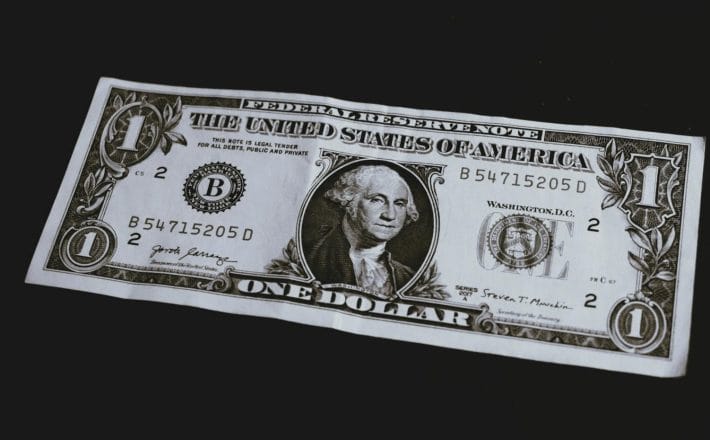
It’s easy to overlook the details on something as common as a one-dollar bill. Most of us treat cash as routine, rarely stopping to examine the fine print or symbols printed on it. But hidden in plain sight is a small feature that collectors get excited about—a tiny star next to the serial number. Known as a “star note,” this subtle marking can turn an ordinary bill into something much more valuable. If you’ve ever wondered whether that dollar in your wallet could be worth more than face value, now is the time to take a closer look.
What Is a Star Note and Why Does It Exist?
A star note is a replacement bill issued by the Bureau of Engraving and Printing when a printing error occurs during production. Instead of reusing the same serial number, the government prints a new bill with a star symbol at the end of the serial number to indicate it’s a replacement. This system ensures every bill in circulation has a unique serial number, which is essential for tracking and authenticity. While the process is routine for the government, it creates a niche opportunity for collectors. Because these notes are produced in smaller quantities, they often become more desirable in the collector’s market.
Why Some Star Notes Are Worth More Than Others
Not every star note will make you rich, and that’s an important reality to understand. The value of a star note depends on several factors, including rarity, condition, and print run size. For example, a star note from a limited print run of fewer than 640,000 bills is generally considered more valuable than one from a larger batch. Condition also plays a major role, with crisp, uncirculated bills commanding higher prices. Some collectors have paid anywhere from $3 to over $500 for rare star notes, depending on these variables. Understanding these factors helps you avoid overestimating value while still recognizing a potential gem.
How to Check If Your $1 Bill Is Valuable
If you’re curious about whether your bill qualifies as a valuable star note, there are a few practical steps you can take. First, look at the serial number and confirm that a small star appears at the end. Next, research the bill’s series year and print run using reputable online databases like MyCurrencyCollection or Star Note Lookup tools. These resources allow you to see how many similar notes were printed and how rare yours might be. You should also assess the physical condition of the bill, as folds, tears, or stains can significantly reduce its value. Taking a few minutes to check these details can give you a clearer picture of what your bill might be worth.
Real-Life Examples of Unexpected Finds
Stories of valuable star note discoveries are more common than you might think. One collector reported finding a rare $1 star note in loose change that later sold for over $100 due to its low print run. In another case, a cashier noticed a crisp star note during a routine transaction and set it aside, eventually selling it online for a small profit. These examples highlight how everyday situations can lead to surprising finds if you know what to look for. While not every discovery will be life-changing, the possibility adds an element of excitement to something as simple as handling cash. It’s a reminder that value can sometimes be hidden in the most ordinary places.
Common Misconceptions About Star Notes
There are several misconceptions that can mislead beginners when it comes to star notes. One of the most common is the belief that every star note is rare and highly valuable, which simply isn’t true. Another misunderstanding is that older bills automatically carry higher value, when in reality, rarity and condition matter more. Some people also assume that online listings reflect actual selling prices, but asking prices can often be inflated. It’s important to rely on verified sales data and trusted collector communities for accurate information. Clearing up these misconceptions can help you make smarter decisions and avoid disappointment.
The Hidden Opportunity in Your Wallet
The idea that a simple one-dollar bill could be worth significantly more is both intriguing and surprisingly realistic. Star notes represent a small but fascinating corner of currency collecting that blends history, rarity, and opportunity. By understanding what makes these bills special, you can approach the hobby with both curiosity and informed judgment. Whether you’re casually checking your wallet or actively collecting, the key is knowing what to look for and managing expectations. So next time you handle cash, take a second glance—you might be holding more than just a dollar.
What’s the most unusual thing you’ve ever found in your pocket or wallet, and could it have been worth more than you realized? Share your thoughts in the comments and let’s start the conversation.
What to Read Next
The New Bank Transfer Rule: Why Some Accounts Now Hold Your Money for 5 Days
5 Auto Issues to Save Money For
How Perennial Plants Can Help Save You Money

Jenny Smedra is an avid world traveler, ESL teacher, former archaeologist, and freelance writer. Choosing a life abroad had strengthened her commitment to finding ways to bring people together across language and cultural barriers. While most of her time is dedicated to either working with children, she also enjoys good friends, good food, and new adventures.
Read More


Dollar stores have become quite popular and there are definitely tons of deals. While you…

Navigating the realm of wealth and fame isn't always a glamorous journey for celebrities. The…

"What can I do with a dollar?" Many people don't think a dollar is worth…

The best dollar store finds are out there. You just have to know what makes…
.wp-caption{display: none;} h1, h2, h3, h4, h5, h6, body, p, a{font-family: Helvetica,Arial,sans-serif !important;} This article…

I love cashback apps. They are essential to my savings strategy when shopping online or…
Comments